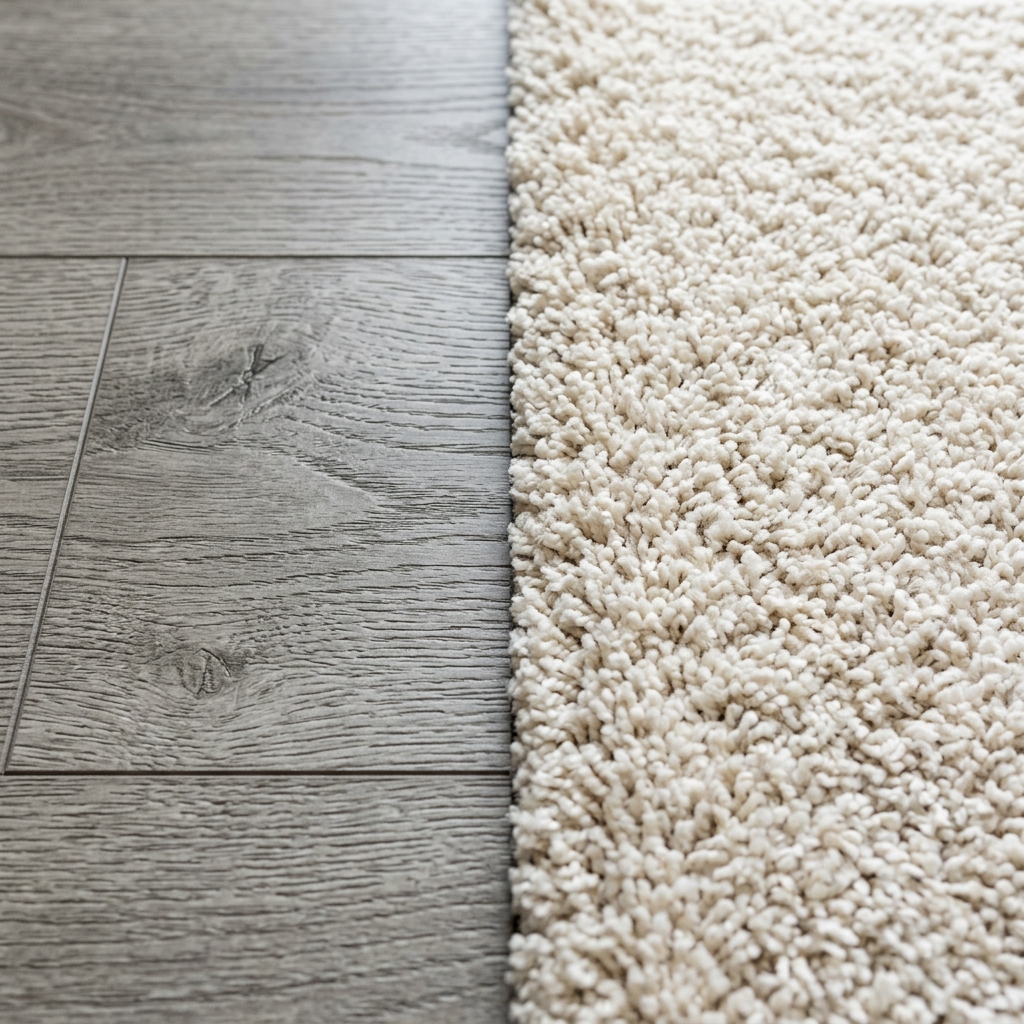
Luxury Vinyl Plank vs Carpet: Pros and Cons for Homeowners
When choosing new flooring, homeowners often find themselves comparing two highly popular options: luxury vinyl plank (LVP) and traditional carpeting. While carpet has long been the favorite for bedrooms and living rooms, LVP has quickly become a top competitor throughout the entire home. Both options have unique benefits and drawbacks, and the best choice depends on your lifestyle, budget, and the specific needs of each room. Understanding how these materials compare in durability, comfort, maintenance, and cost is key to selecting the perfect floor for your home.
Luxury Vinyl Plank (LVP): Pros and Cons
Luxury vinyl plank is a multi-layered synthetic flooring designed to look and feel like real wood. It has become incredibly popular due to its outstanding durability. The top layer, known as the wear layer, is highly resistant to scratches, dents, and stains from pets and furniture. Furthermore, premium LVP is completely waterproof, making it suitable for areas where carpet cannot go, such as kitchens, bathrooms, laundry rooms, and basements. If a pipe leaks or a pet has an accident, LVP will not warp or grow mold. It is also simple to clean, requiring only quick sweeping and occasional damp mopping.
The drawbacks of luxury vinyl plank include a rigid feel underfoot compared to carpet, and lower thermal insulation. While LVP is warmer than ceramic tile, it does not retain heat like carpet. It also has poor acoustic performance, reflecting sound and creating echoes in open spaces unless installed with a high-quality acoustic underlayment. Lastly, while it mimics wood beautifully, it does not offer the same warm, soft texture as carpet.
Traditional Carpet: Pros and Cons
Carpeting remains a favorite because of the unmatched comfort and warmth it provides. It acts as a natural insulator, trapping heat and keeping rooms cozy during cold winter months. Walking, sitting, or playing on carpet is comfortable, making it the preferred choice for bedrooms and children's rooms. Carpet is also an excellent sound absorber, reducing noise from footsteps, voices, and televisions, which helps create a quiet, peaceful home environment. Additionally, carpet is slip-resistant and cushions falls, providing a safe option for young children and elderly residents.
The main disadvantage of carpet is its vulnerability to staining, wear, and moisture. Spills can quickly turn into permanent stains, and moisture can seep into the padding, encouraging mold and mildew growth. Carpet fibers also trap dust, pet dander, pollen, and hair, making it difficult to keep perfectly clean and potentially worsening symptoms for allergy sufferers. In high-traffic areas, carpet wears unevenly, resulting in flat, dark pathways that require replacement every seven to ten years.
Thermal Comfort and Temperature Control
In winter, thermal comfort becomes a major focus for homeowners. Carpet fibers act as natural thermal insulators, slowing down heat transfer to the cold subfloor below. This makes carpeted rooms feel noticeably warmer and more welcoming when stepping out of bed on cold mornings. In contrast, luxury vinyl plank, being a denser composite material, conducts cold from the subfloor quickly. While not as cold as slate or tile, LVP can feel chilly to the touch. Homeowners can offset this by choosing LVP with thick attached underlayment pads or installing electric radiant heating coils beneath the planks, though this adds to construction costs.
Resale Value and Real Estate Appeal
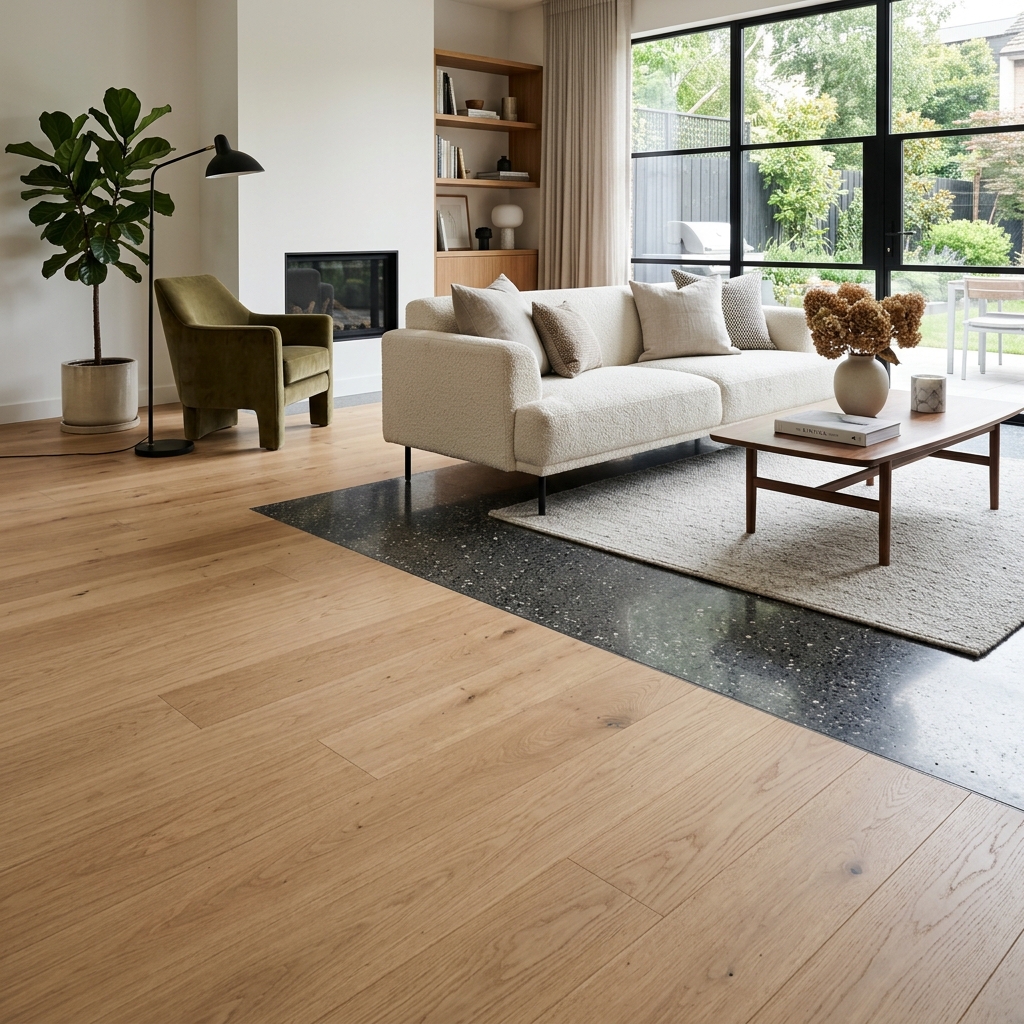
If you plan to sell your home in the future, the type of flooring you install can influence potential buyers. In today's market, hard flooring is highly favored. Buyers appreciate the low maintenance and clean look of wood-look planks, and installing LVP throughout the living areas can make your home show better during open inspections. Carpeting can be a disadvantage, especially if it shows wear, is an outdated color, or if the buyers have pets or allergies. Hard floors allow buyers a blank canvas where they can place their own rugs, making your property more appealing and potentially increasing its sale price.
Matching Your Flooring Selection to Architectural Style
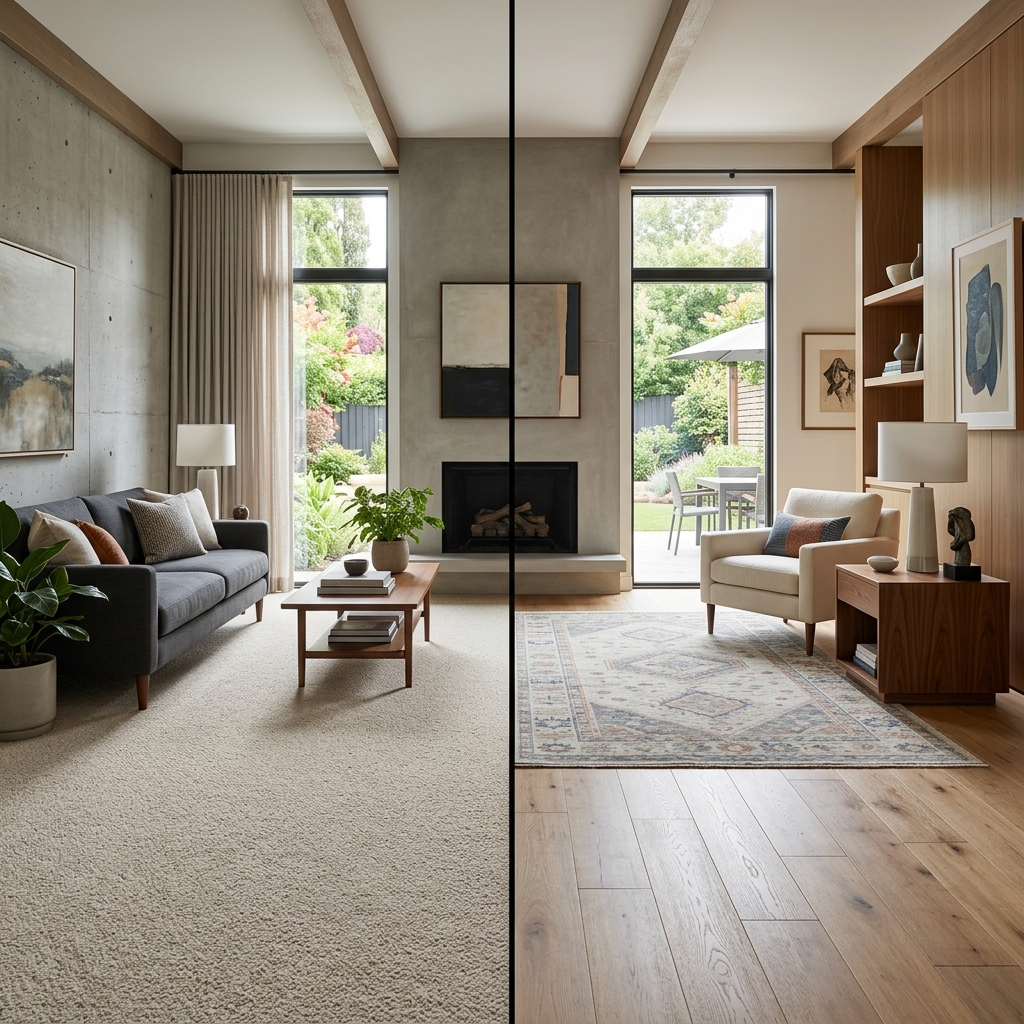
The choice between LVP and carpet also depends on your home's architectural style. Mid-century modern, industrial, and contemporary layouts benefit from the clean lines, smooth surfaces, and minimalist aesthetic of luxury vinyl plank. Hard flooring enhances the feeling of spaciousness in open-floor layouts. Conversely, traditional homes, cozy cottages, and rooms with high vaulted ceilings benefit from the warmth, texture, and softness of carpeting. Carpets help frame separate spaces and ground a room, whereas LVP is outstanding for open-concept areas that transition directly into kitchens and hallways.
Long-Term Maintenance and Cost Efficiency Comparison
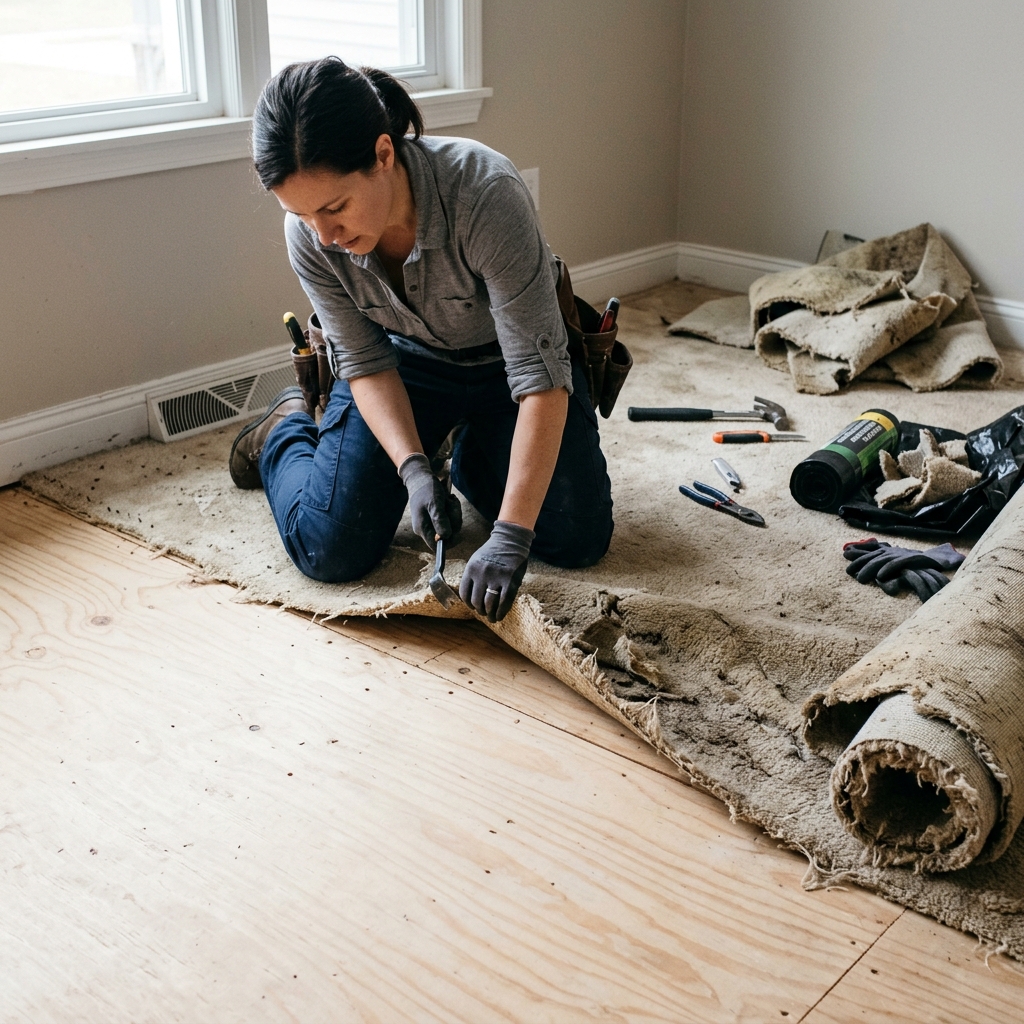
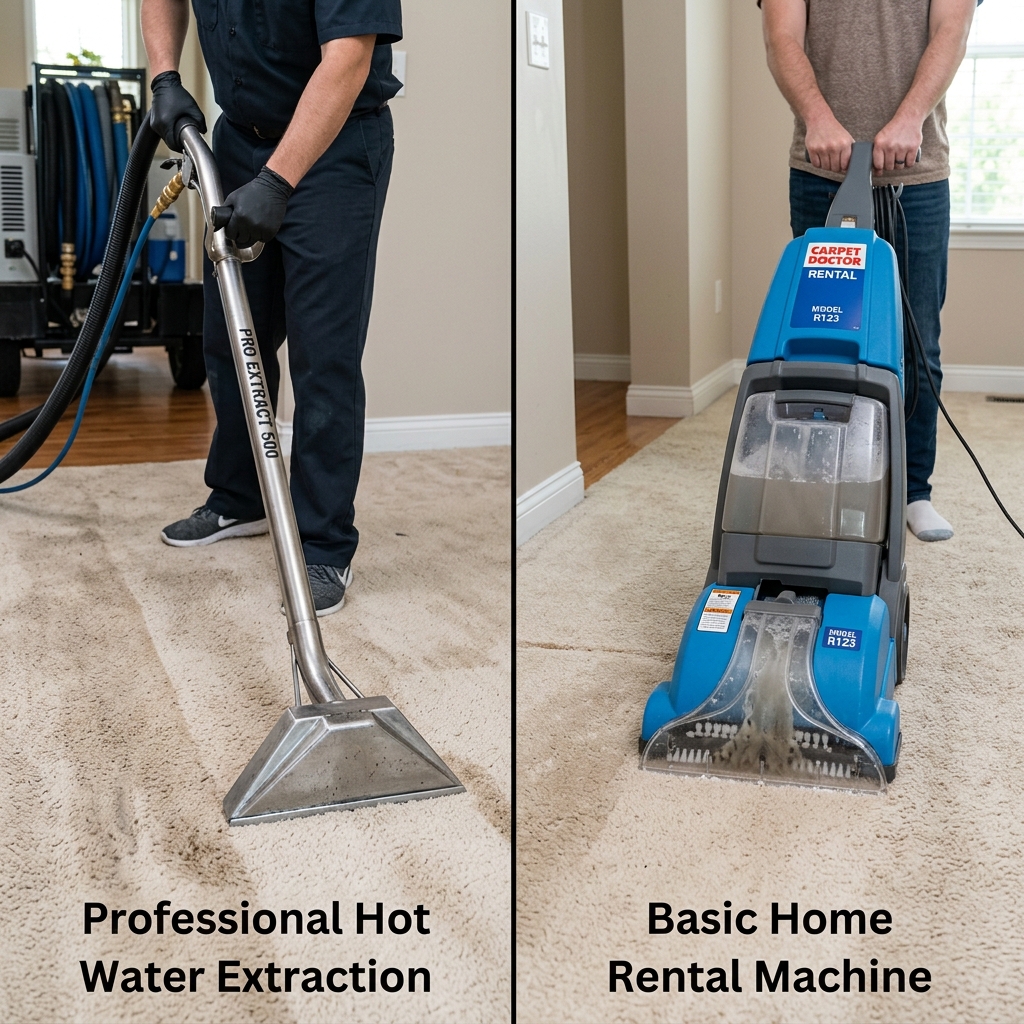
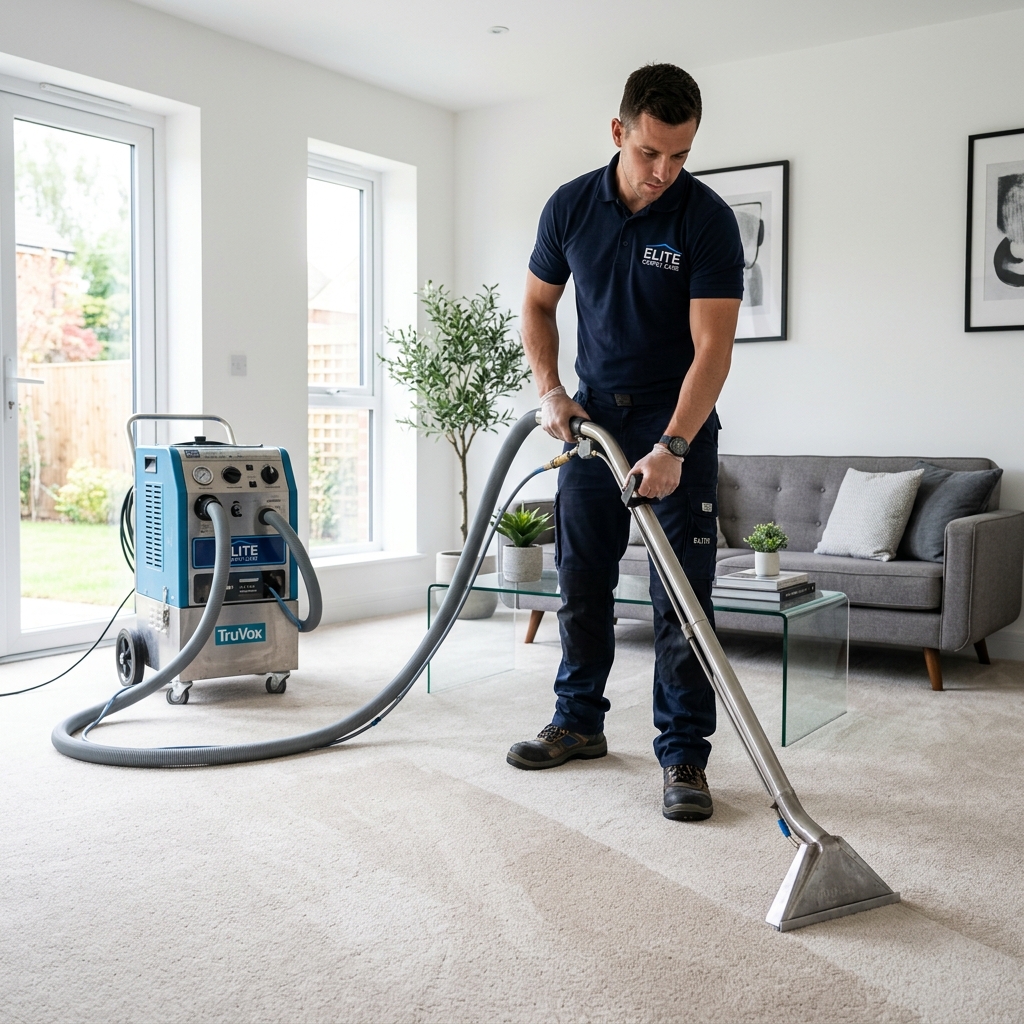
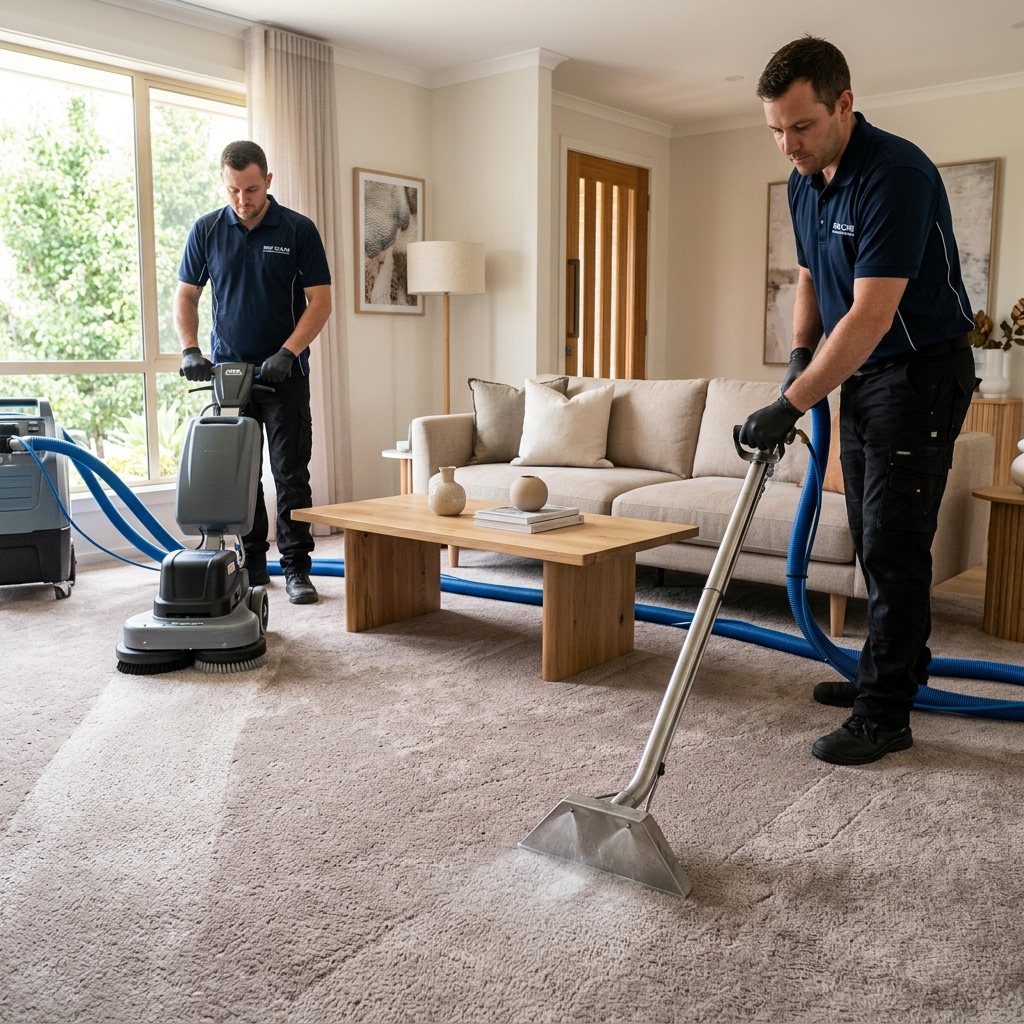
In terms of long-term cost efficiency, luxury vinyl plank stands out as the superior option. While carpeting is cheaper to install initially, its average lifespan of seven to ten years means you will be paying for removal, disposal, and installation multiple times over a thirty-year period. Additionally, carpets require professional deep steam cleanings every twelve to eighteen months to maintain their look and control allergens, which adds to the long-term expense. Luxury vinyl plank, with a typical lifespan of twenty to thirty years, rarely needs replacement. It does not require expensive deep-cleaning services; simple sweeping and mopping are enough to keep it pristine. Over a couple of decades, the durability and low maintenance of LVP make it a highly cost-effective choice for modern homeowners.
Comparing Maintenance and Daily Cleaning
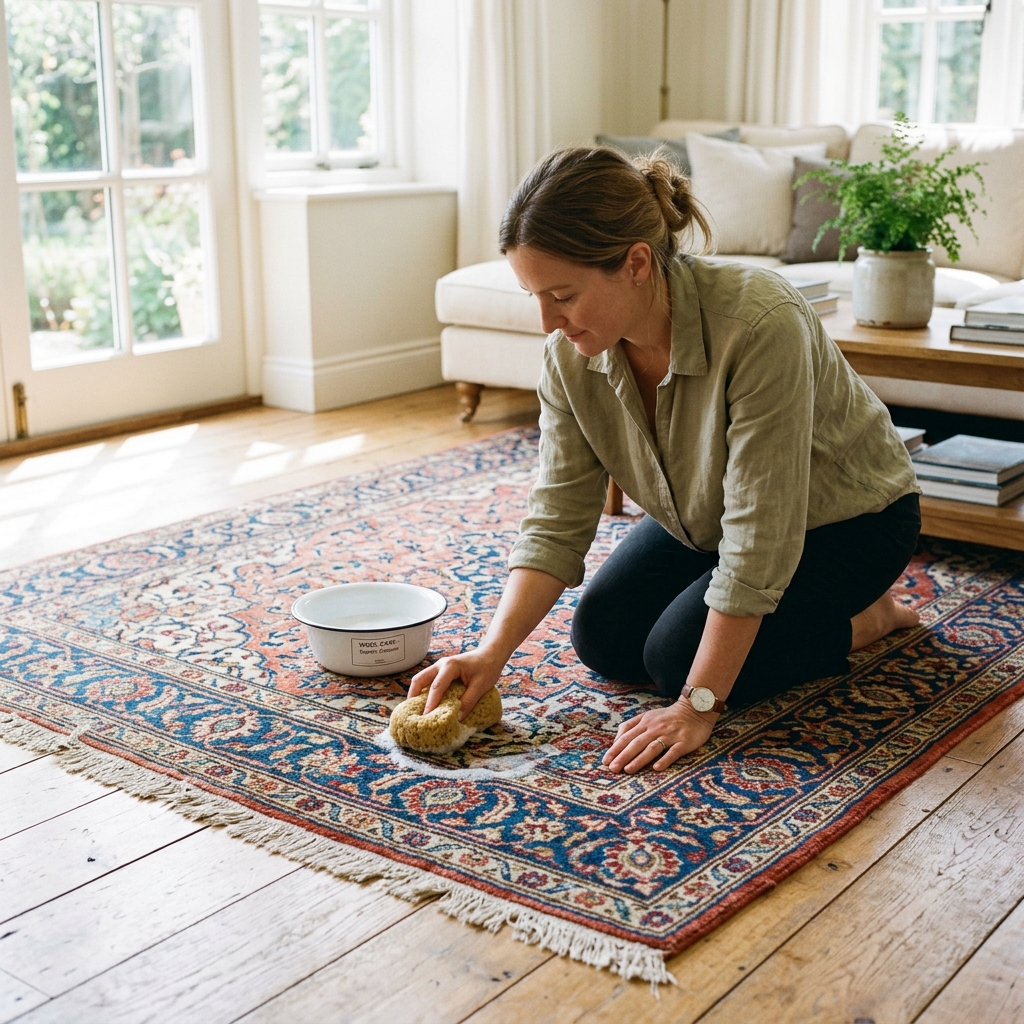
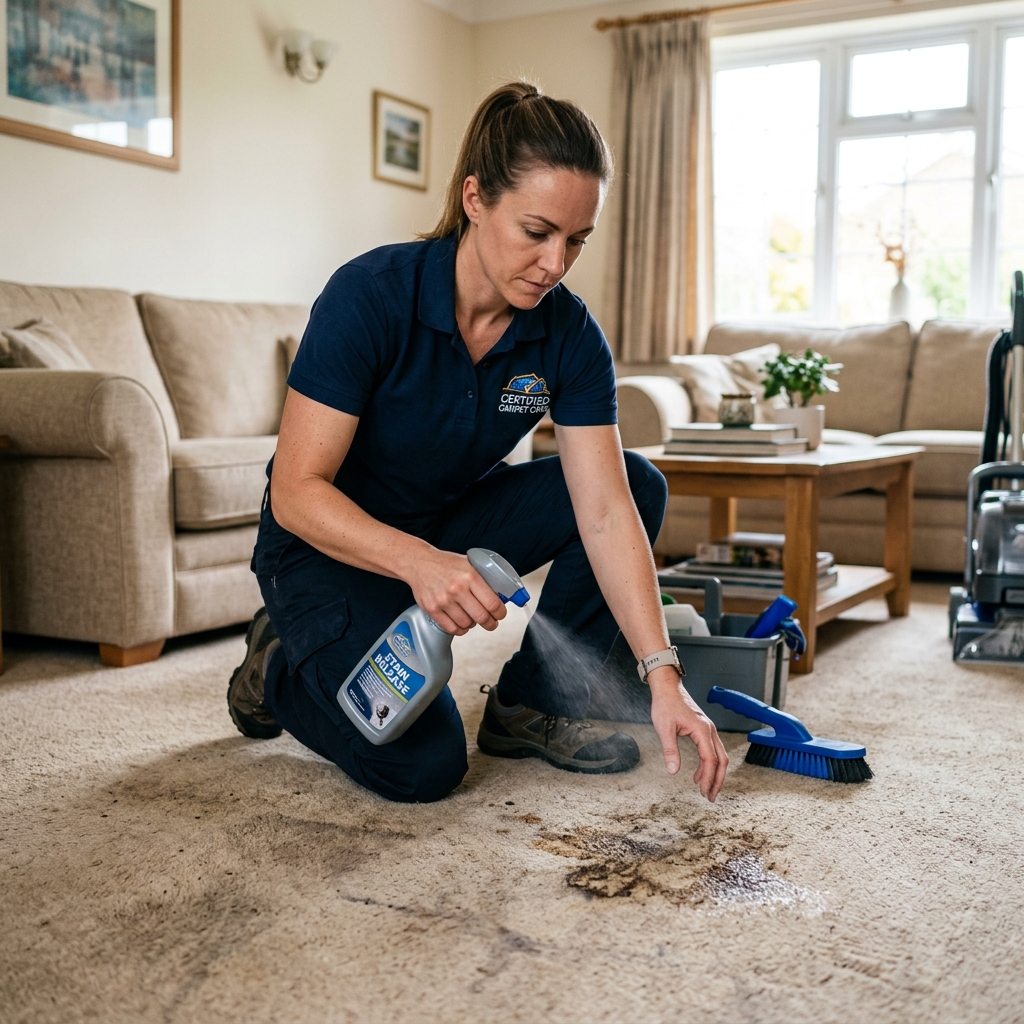
In terms of maintenance, luxury vinyl plank is much easier to keep clean and hygienic. Because it has a solid, non-porous surface, dust and allergens cannot hide. A quick vacuum or sweep removes debris, and a damp mop sanitizes the surface. Spills can be wiped up without leaving stains. Carpet requires regular, thorough vacuuming to pull dirt from the fibers, and periodic deep steam cleaning to remove embedded grime and sanitize the material. Spot cleaning spills on carpet is a delicate process that requires immediate attention to prevent permanent staining.
Cost and Installation Analysis
The cost of both materials varies widely based on quality, but LVP is generally more expensive upfront. Purchasing and installing premium LVP, along with the necessary underlayment and subfloor preparation, usually costs more per square foot than standard carpet. However, LVP offers a longer lifespan, often lasting twenty-five years or more, whereas carpet typically needs replacement every ten years. When evaluating costs, consider the long-term value. LVP's durability and resistance to water damage mean you are less likely to face early replacement costs, making it a highly cost-effective investment over time.
Which Option Is Best for Your Home?
To choose the right flooring, consider the specific function of each room and your household dynamic. If you have active pets, young children, or are flooring a kitchen or basement, LVP's water resistance and durability make it the clear choice. If you want a cozy, quiet retreat in bedrooms or a media room, carpet's warmth and sound-absorbing qualities are unmatched. Many homeowners find that a combination of both materials - LVP in high-traffic, moisture-prone areas and carpet in private, cozy spaces - provides the perfect balance of comfort and practicality.
Both luxury vinyl plank and carpet offer excellent benefits for modern homes. By comparing their durability, comfort, maintenance, and long-term costs, you can make the right choice for your family's needs and design goals.