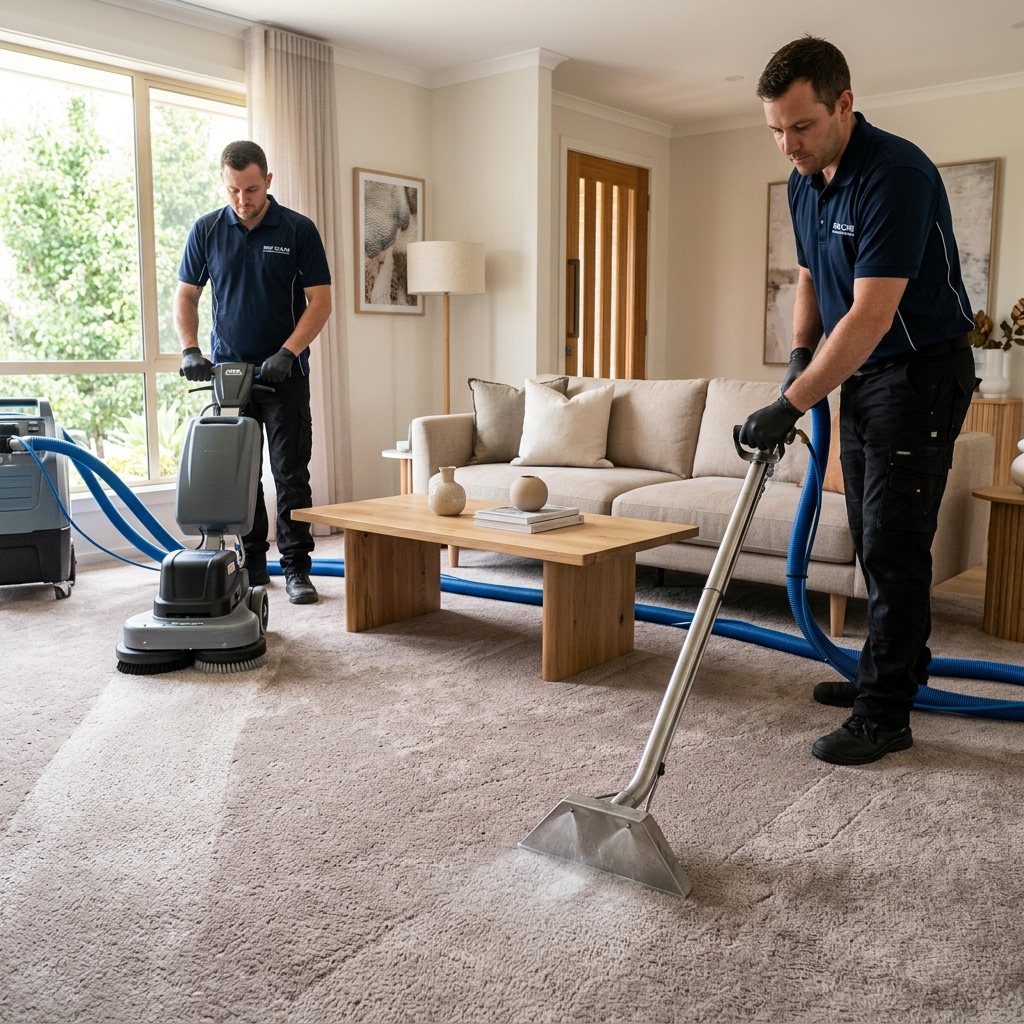
How to Choose the Right Carpet Cleaning Method
Walk into any carpet cleaning conversation and you'll quickly hear a handful of different terms thrown around: steam cleaning, dry cleaning, encapsulation, shampooing, and more. For homeowners who just want clean, fresh carpets, all these options can feel more confusing than helpful. The truth is, there's no single 'best' carpet cleaning method that works for every home. The right choice depends on your carpet's fibre type, how soiled it is, your household's needs, and how quickly you need the carpet back in use.
At Extract Carpet Cleaning Melbourne, we're asked almost daily which method is right for a particular home, and the answer is always: it depends. In this guide, we'll walk you through the key factors that should influence your decision, so you can choose a method with confidence rather than guesswork.
Start With Your Carpet's Fibre Type
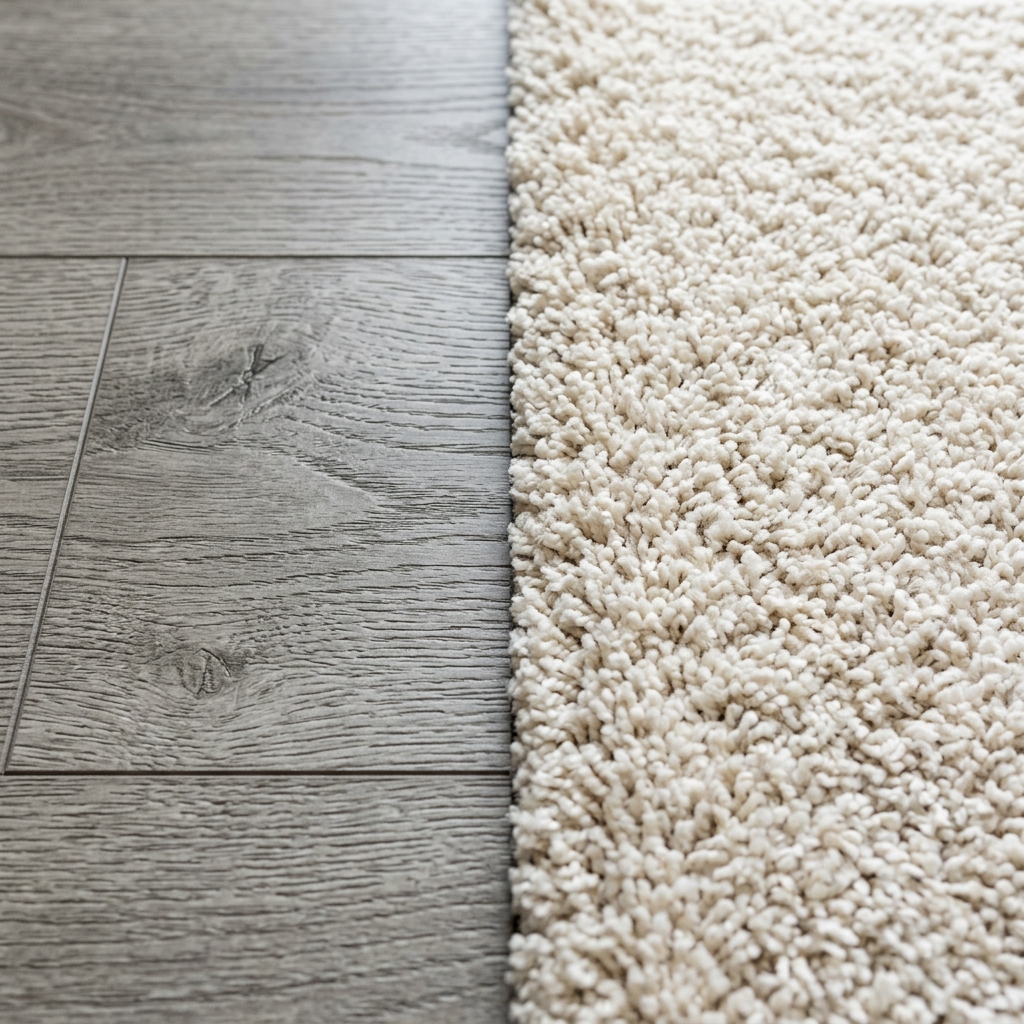
The single biggest factor in choosing a cleaning method is what your carpet is actually made from. Synthetic carpets, such as nylon, polyester, and olefin, are generally hardy and can tolerate hot water extraction without issue. These fibres don't absorb water the way natural fibres do, and they dry relatively quickly, making steam cleaning a safe and effective default choice.
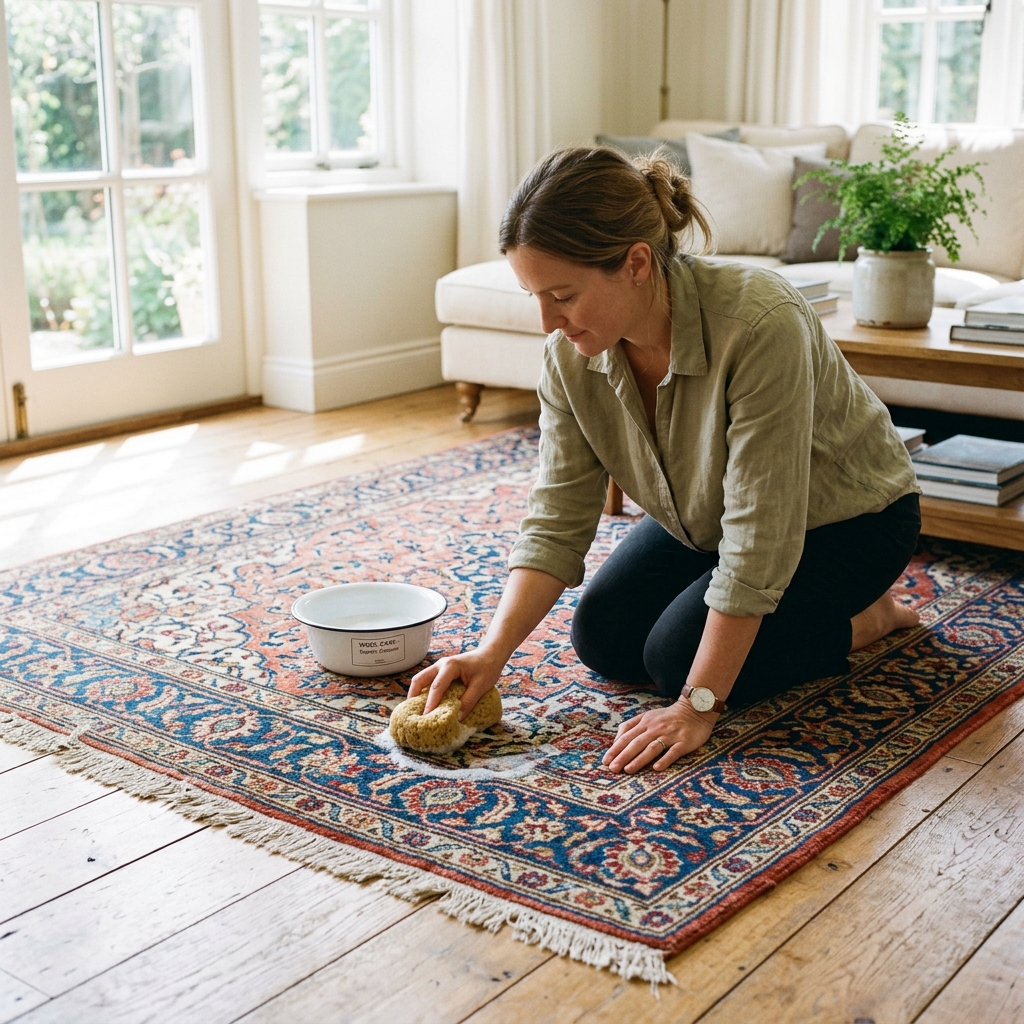
Natural fibre carpets, particularly wool, require more caution. Wool can shrink, discolour, or take much longer to dry if oversaturated with water, so low-moisture methods like dry cleaning or encapsulation are often preferred. Always check with your carpet manufacturer or retailer if you're unsure of the fibre type, as using the wrong method on the wrong fibre can cause irreversible damage.
Consider the Level and Type of Soiling
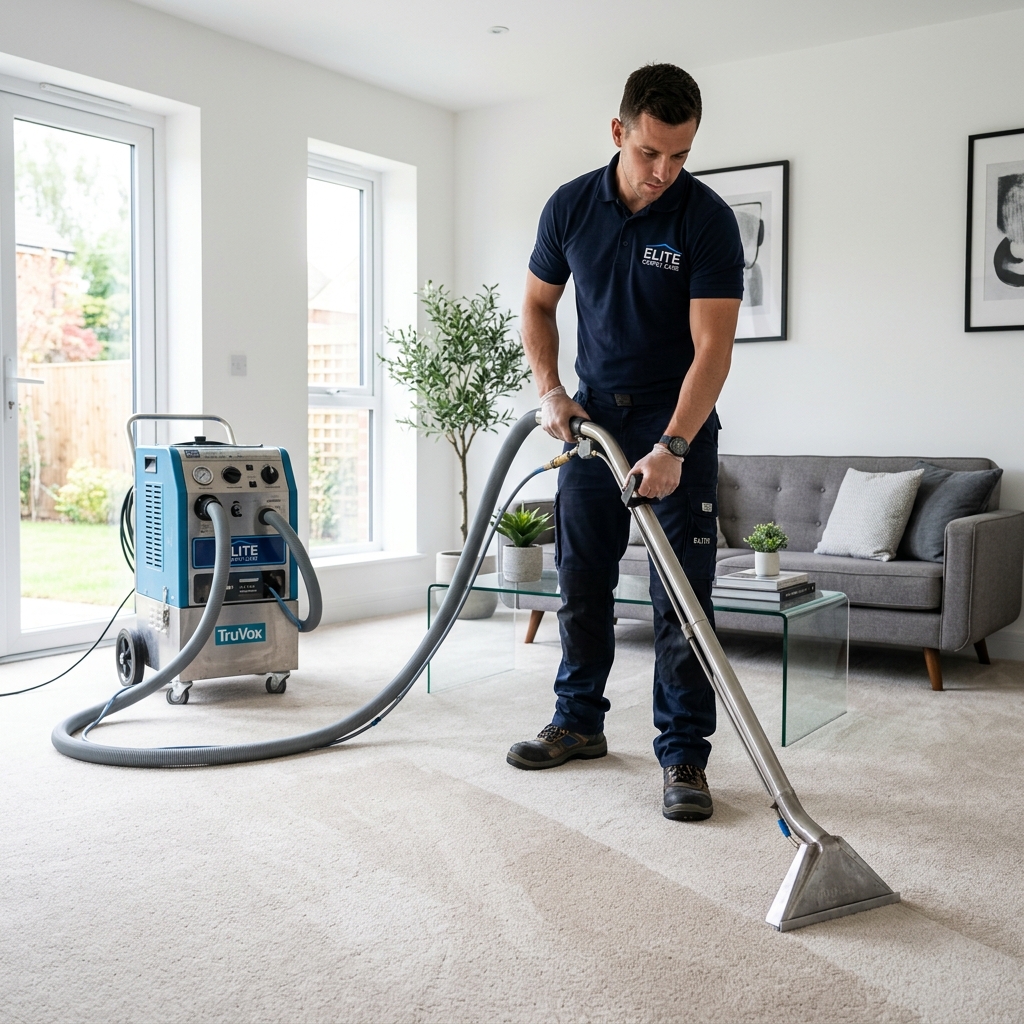
A carpet with light, surface-level dust and general wear will respond well to almost any cleaning method, including lower-moisture options like encapsulation or dry cleaning. However, carpets with deeply embedded dirt, ground-in stains, or heavy allergen buildup usually need the deeper cleaning power of hot water extraction to fully lift contaminants from the base of the fibres.
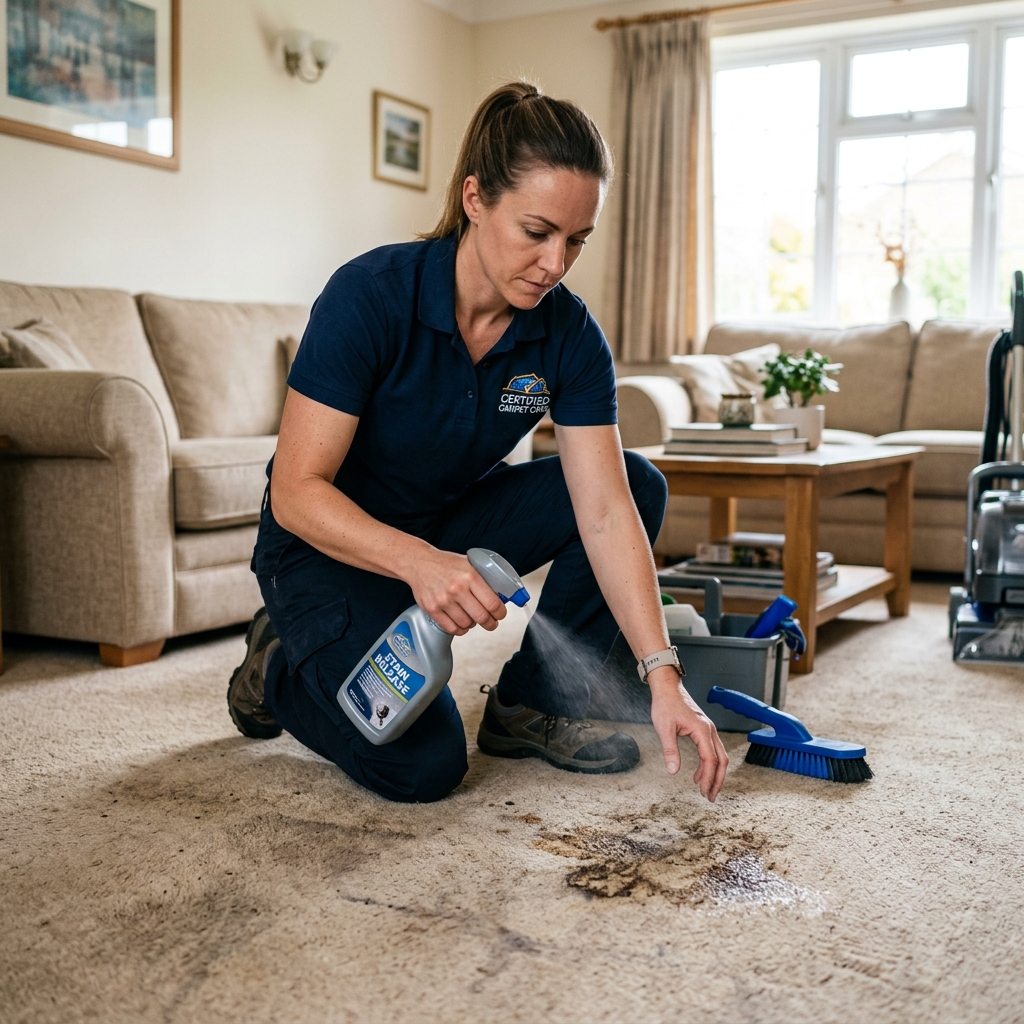
The type of soiling matters too. Greasy, oily stains from cooking areas often respond better to a pre-treatment and hot water extraction combination, while general dust and allergens can often be managed with a lighter, more frequent maintenance clean using dry or encapsulation methods.
Think About Drying Time
How quickly you need your carpet back in use is another important consideration. Hot water extraction delivers a deep clean but typically requires anywhere from six to twenty-four hours of drying time, depending on humidity, airflow, and carpet thickness. This isn't usually a problem for a weekend clean at home, but it can be inconvenient for busy households or commercial spaces that can't afford extended downtime.
If fast turnaround is a priority, low-moisture methods like encapsulation or dry carpet cleaning are worth considering. These methods can have carpets dry and walkable again within one to two hours, making them popular choices for offices, retail spaces, and busy family homes.
Factor in Allergies and Household Health
Households with allergy sufferers, asthma, young children, or pets often benefit most from methods that provide the deepest possible clean. Hot water extraction is particularly effective at flushing out dust mites, pet dander, pollen, and other allergens that settle deep within the carpet pile, rather than simply lifting surface dirt.
If allergies are a significant concern in your household, it's also worth asking your carpet cleaning provider about the specific cleaning solutions used, opting for fragrance-free, hypoallergenic products where possible to avoid triggering sensitivities.
Residential vs Commercial Needs
Residential and commercial spaces often have different priorities when it comes to carpet cleaning. Homes generally have more flexibility around drying time and can prioritise a deeper, more thorough clean using hot water extraction every twelve to eighteen months, supplemented by lighter maintenance in between.
Commercial spaces, such as offices, hotels, and retail stores, often need faster-drying methods that minimise disruption to daily operations. Encapsulation, bonnet cleaning, and dry cleaning are commonly used in these settings, sometimes on a more frequent rotation to maintain appearance between deeper periodic cleans.
The Role of Carpet Age and Condition
An older carpet that's already showing signs of wear may need a gentler approach than a newer one, even if the fibre type would normally tolerate a more aggressive method. Ageing carpet backing can weaken over time, and excessive moisture or vigorous mechanical agitation can accelerate fraying, colour loss, or delamination in carpets nearing the end of their lifespan.
If your carpet is more than ten years old, or has visible signs of wear such as thinning pile or fraying edges, it's worth mentioning this to your cleaning provider so they can adjust their approach and product selection accordingly, prioritising the longevity of the carpet over an aggressive deep clean.
Budget Considerations
Cost is a legitimate factor in choosing a cleaning method, and it's worth understanding how pricing typically varies. Hot water extraction generally sits at a mid-to-premium price point, reflecting the equipment and time involved in a thorough deep clean. Dry cleaning and encapsulation are often priced similarly or slightly lower, given the reduced water usage and faster turnaround.
Rather than choosing the cheapest option outright, it's worth weighing the cost against how long the results will last. A thorough hot water extraction every twelve to eighteen months may ultimately offer better value than more frequent, lower-cost surface cleans that don't address deep-set dirt and allergens.
A Quick Comparison of Common Methods
- Hot water extraction: Deepest clean, best for allergens and heavy soiling, longer drying time
- Dry cleaning: Minimal moisture, fast drying, best for light to moderate soiling
- Encapsulation: Low moisture, fast drying, good for commercial maintenance cleaning
- Shampooing: Strong initial clean, longer drying time, requires thorough rinsing
- Carbonated cleaning: Deep clean with less water, good all-round option for many carpet types
- Spot treatment: Targeted stain removal, not a substitute for a full clean
How Different Rooms May Need Different Approaches
It's worth remembering that not every carpeted room in your home necessarily needs the same cleaning method. A rarely used formal living room with light soiling might do perfectly well with a lighter maintenance clean, while a busy hallway, family room, or children's bedroom with heavier traffic and more frequent spills may benefit from the deeper clean that hot water extraction provides. Discussing room-by-room needs with your cleaning provider can help you get the most effective result without paying for a more intensive method than necessary in lower-traffic areas.
When in Doubt, Ask a Professional
If you're still unsure which method suits your carpet, the safest approach is to consult a professional carpet cleaning company before booking. A reputable provider will ask about your carpet's fibre type, age, level of soiling, and household needs, then recommend a method tailored to your specific situation rather than applying a one-size-fits-all approach.
At Extract Carpet Cleaning Melbourne, our technicians assess each carpet on-site before beginning work, checking fibre type, existing wear, and any problem areas that might need special attention. This ensures you get the most effective, appropriate clean for your specific carpet, rather than risking damage from a mismatched method.
Common Mistakes When Choosing a Method
- Assuming all carpets can handle the same amount of water and heat
- Choosing a method based on price alone, without considering carpet type
- Skipping professional advice for delicate or expensive natural fibre carpets
- Ignoring manufacturer care instructions or protection guidelines
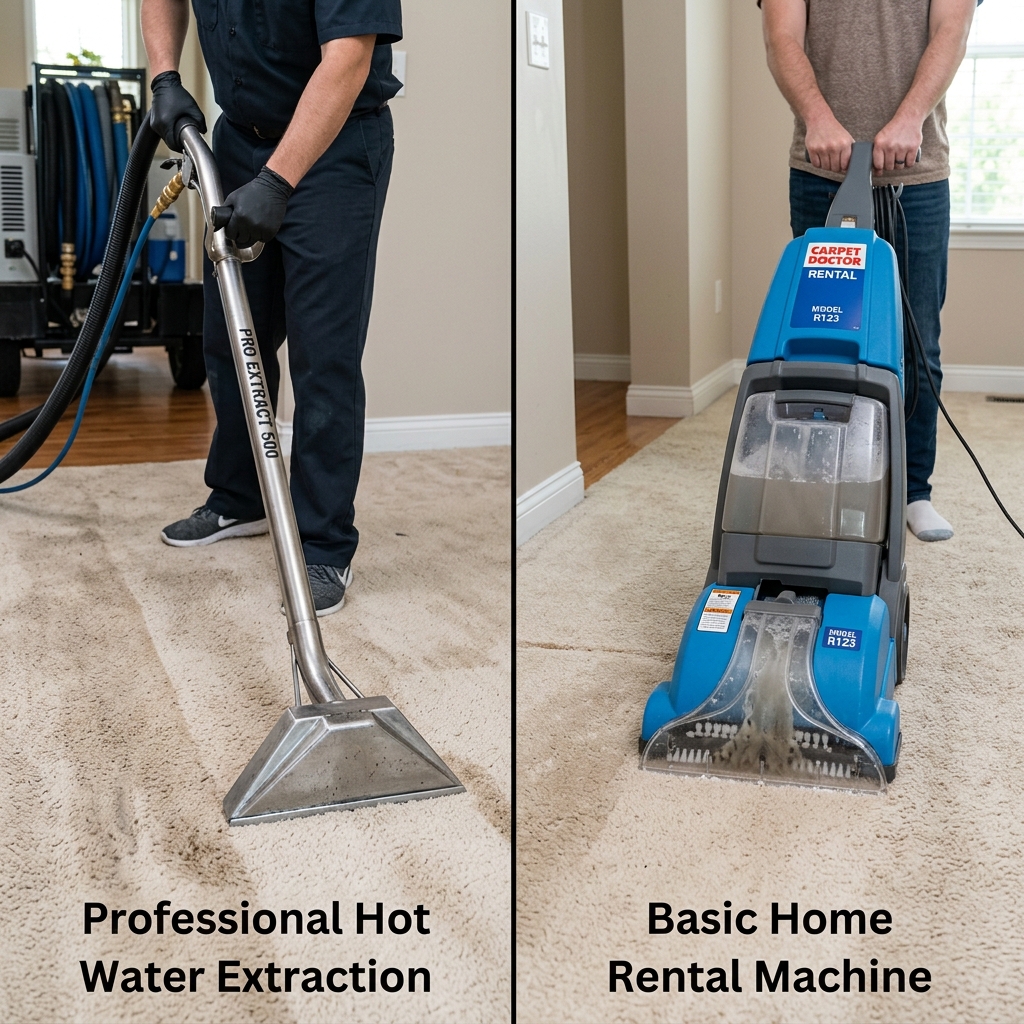
- Using a rental machine without proper training on dilution and technique
How Often Should You Reassess Your Cleaning Method?
Your ideal carpet cleaning method isn't necessarily set in stone. As circumstances change, such as welcoming a new pet, having a baby, or noticing increased allergy symptoms, it's worth reassessing whether your current cleaning routine and method still suit your household's needs. Similarly, if a carpet has recently undergone a significant spill or stain, a different, more targeted approach may be needed for that particular clean.
Frequently Asked Questions
Can I mix methods on the same carpet over time?
Yes, many households use hot water extraction for periodic deep cleans and a lighter method, such as encapsulation, for maintenance in between, provided both methods suit the carpet's fibre type.
Will the wrong method void my carpet care protection?
Potentially. Many manufacturers specify approved cleaning methods and minimum cleaning frequency as a condition of coverage, so it's worth checking your documentation before committing to a particular approach.
Is a more expensive method always better?
Not necessarily. The best method is the one matched to your specific carpet type, soiling level, and household needs, rather than the most expensive option on the price list.
Final Thoughts
Choosing the right carpet cleaning method comes down to understanding your carpet's fibre type, the level of soiling, your household's health needs, and how much drying time you can realistically accommodate. There's no universally 'best' method, only the method best suited to your specific carpet and circumstances.
If you're unsure where to start, the team at Extract Carpet Cleaning Melbourne is happy to assess your carpet and recommend the most effective approach for your home. Contact us today to book a professional clean tailored to your carpet's exact needs.