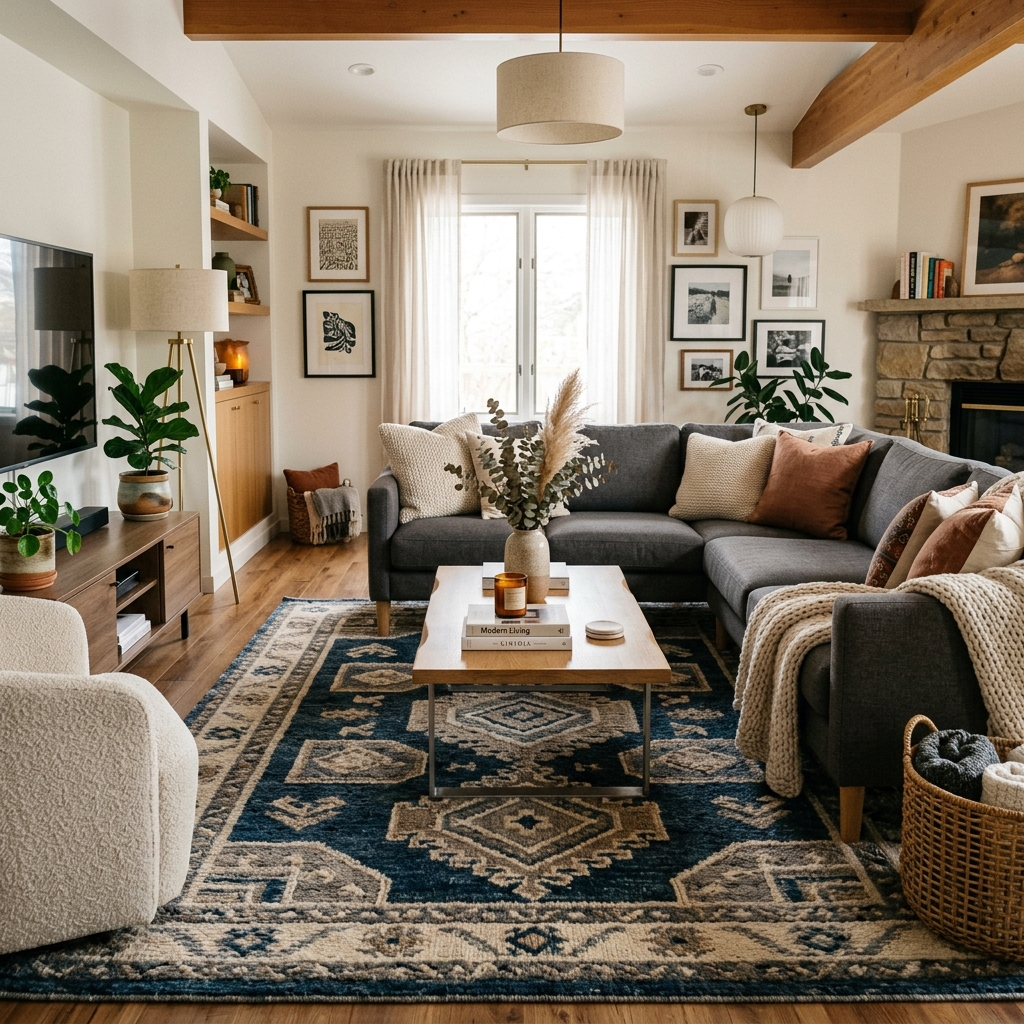
Best Area Rugs for Living Rooms: Style, Durability, and Easy Cleaning
The living room is the heart of the home, a space where family gathers, pets relax, and guests are entertained. When decorating this essential room, choosing the right area rug is key. A living room rug does more than protect your floors; it anchors the space, ties the color palette together, and adds comfort. However, because the living room is a high-traffic zone, you cannot select a rug based on looks alone. You need a rug that balances style, durability, and ease of cleaning to ensure it remains beautiful under the pressure of daily family life.
Choosing the Best Materials for High-Traffic Living Rooms
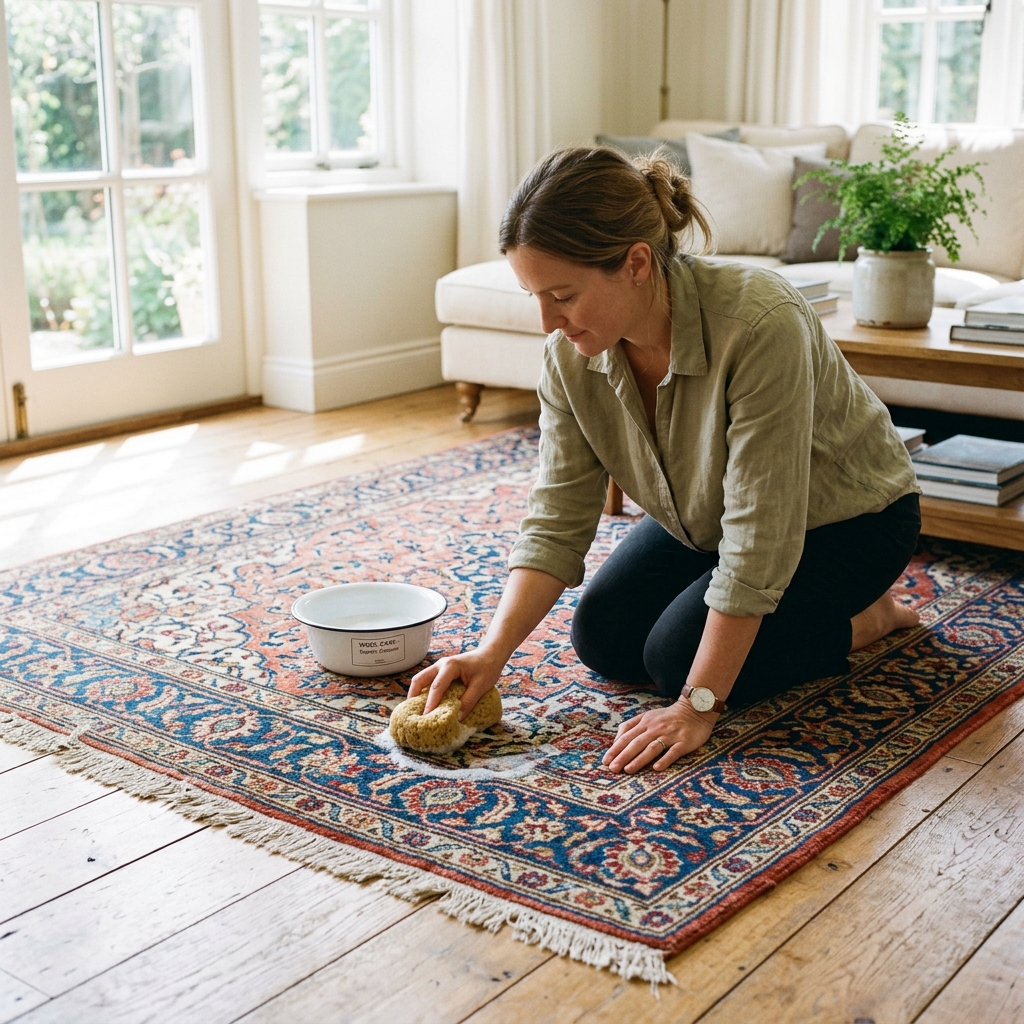
The material of your rug determines how well it will resist wear, spills, and soil. Wool is widely considered the premier natural material for living room rugs. It is naturally resilient, with elastic fibers that spring back after being crushed by footsteps or heavy furniture. Wool fibers also contain lanolin, a natural oil that repels moisture and staining. While wool rugs are an investment, their long-term durability makes them cost-effective. For households with pets, children, or tight budgets, synthetic materials like polypropylene, nylon, and polyester are outstanding choices. Polypropylene is stain-resistant, easy to clean, and affordable. Nylon is exceptionally durable and resists crushing, while polyester offers vibrant colors and a soft feel at a great price.
Natural plant fibers like jute and sisal offer a beautiful texture and a warm, organic look. However, they are not ideal for homes with pets or young children, as they absorb moisture easily and are difficult to clean if stained. Cotton rugs are soft and casual, and many smaller styles are machine washable, making them convenient for quick cleanup, though they do wear out faster than wool or synthetic options.
Sizing and Placement Rules for a Balanced Look
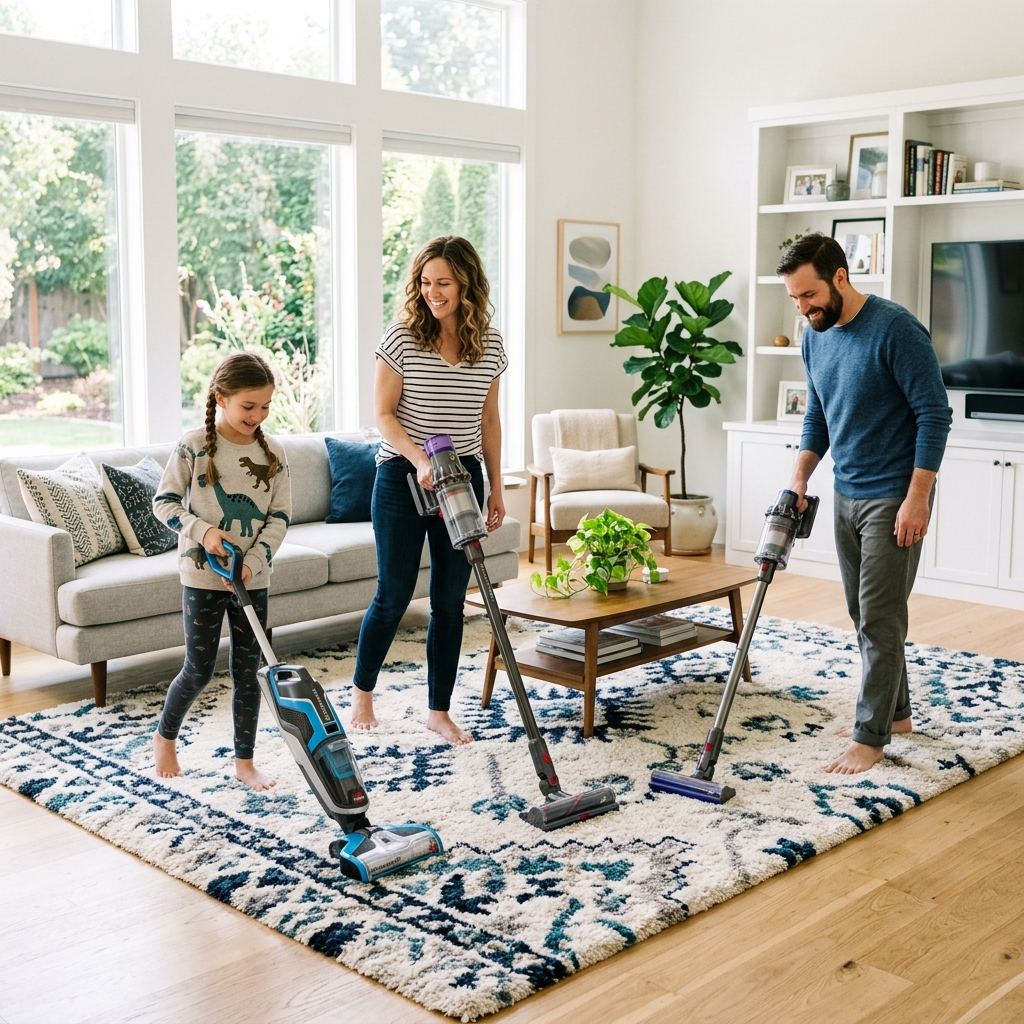
A common mistake homeowners make is choosing a rug that is too small for their living room, which makes the space look disconnected. To find the right size, measure your seating arrangement. The general rule is that your rug should be large enough so that at least the front legs of all major furniture pieces (sofas, armchairs) sit on the rug. This helps anchor the furniture and create a unified seating zone. In a large living room, you might choose an "all legs on the rug" layout, where the entire sofa and chairs sit completely on the surface. In smaller rooms, a "floating layout" is common, where the rug sits in the center under the coffee table, with the furniture arranged around it. When choosing, ensure you leave a border of exposed floor around the perimeter of the room to maintain a balanced look.
Style, Pattern, and Color Selection
Your rug's style should complement your home's architecture and furniture. If your living room has neutral walls and solid-colored furniture, a patterned rug can add visual interest and serve as a stunning focal point. Geometric, abstract, or vintage-inspired distressed patterns are highly popular and work well in modern and traditional spaces alike. If your furniture is already patterned, a solid or textured rug in a coordinating color will help ground the room. Consider color carefully; dark colors and complex patterns are excellent at concealing minor spots, pet hair, and dirt, making them ideal for active families. Light-colored rugs create a bright, spacious feel but require more maintenance to keep clean.
Balancing Ease of Cleaning and Pile Height
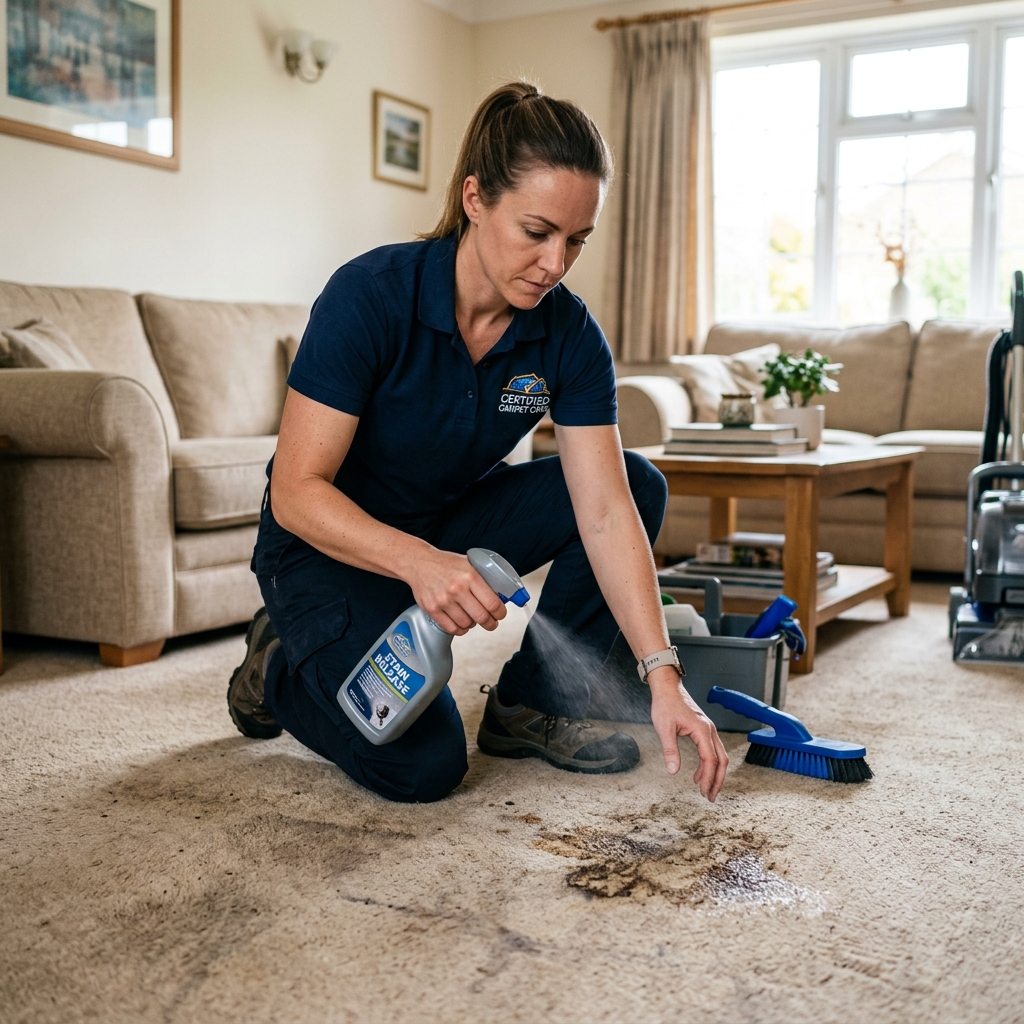
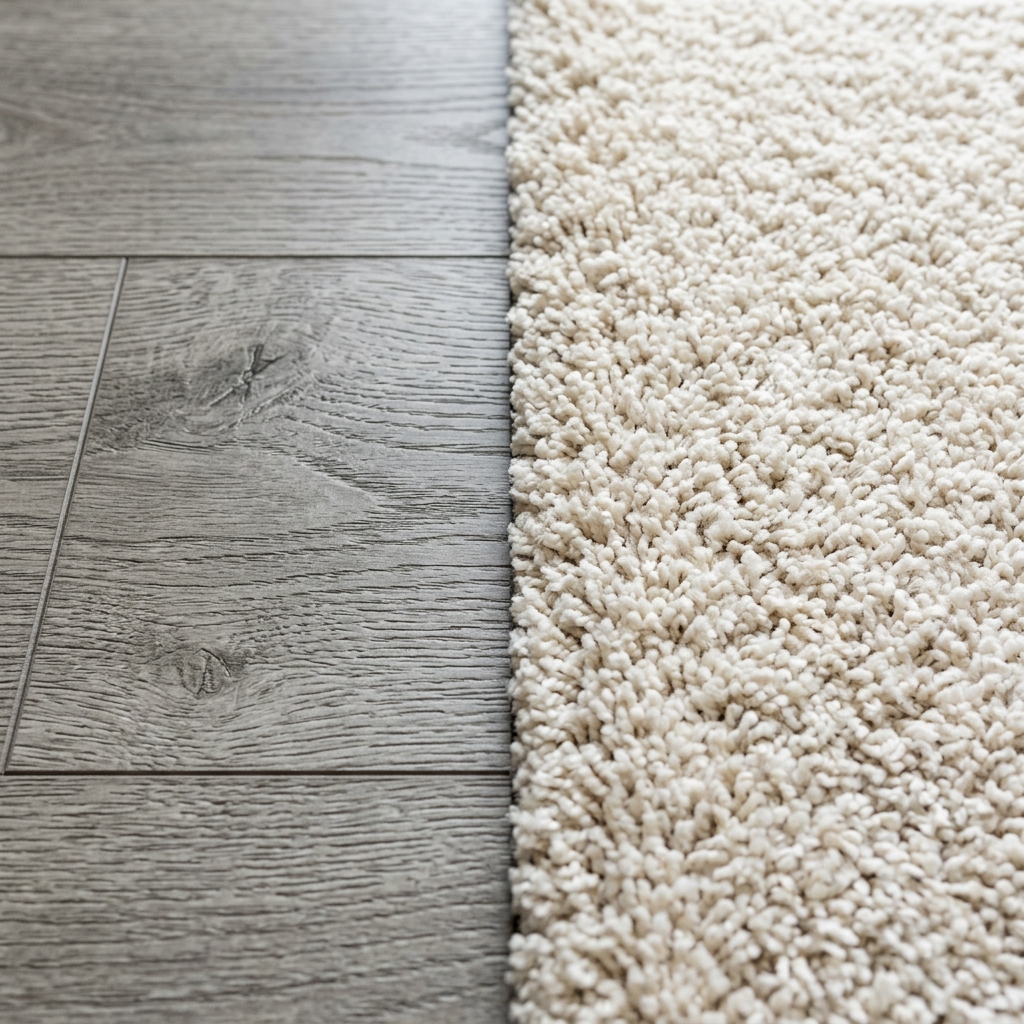
The height of the rug's fibers, known as the pile, affects both the softness and the cleaning difficulty. Shag or high-pile rugs feel luxurious underfoot, but their long fibers easily trap dust, pet hair, and crumbs, making them difficult to vacuum and clean. Low-pile rugs (less than a quarter-inch thick) and flat-weave rugs (like kilims) are much easier to vacuum, spot-clean, and maintain. They do not trap dirt easily and allow doors to swing open without catching. For a living room that gets daily use, a low-pile or medium-pile rug is the practical choice, offering a comfortable surface that is simple to keep fresh.
Managing Rug Placement Under Heavy Furniture
Living room rugs often support heavy sofas, coffee tables, and display cabinets. Over time, this intense weight crushes the rug fibers, leaving permanent indentations. To protect your rug, use furniture cups or wide casters under the legs to distribute the weight. Periodically moving the furniture slightly will allow the fibers to recover. If an indentation does form, you can refresh it by placing an ice cube on the spot and letting it melt. The moisture will swell the wool or synthetic fibers, and you can gently brush them up with a coin or spoon once dry.
Choosing Rugs for Seasonal Transitions
Many homeowners like to shift the atmosphere of their living room according to the season. During winter, a thicker wool or plush medium-pile rug provides excellent thermal comfort and makes the room feel cozy. In summer, you can swap this for a lightweight cotton flat-weave or a thin synthetic rug to create a cooler, breezier environment. Storing the off-season rug properly is important: roll it tightly with the pile facing inward, wrap it in a breathable cotton sheet or paper to protect it from dust, and store it in a dry, elevated space to keep it fresh.
Sound Dampening and Acoustic Harmony in the Living Area
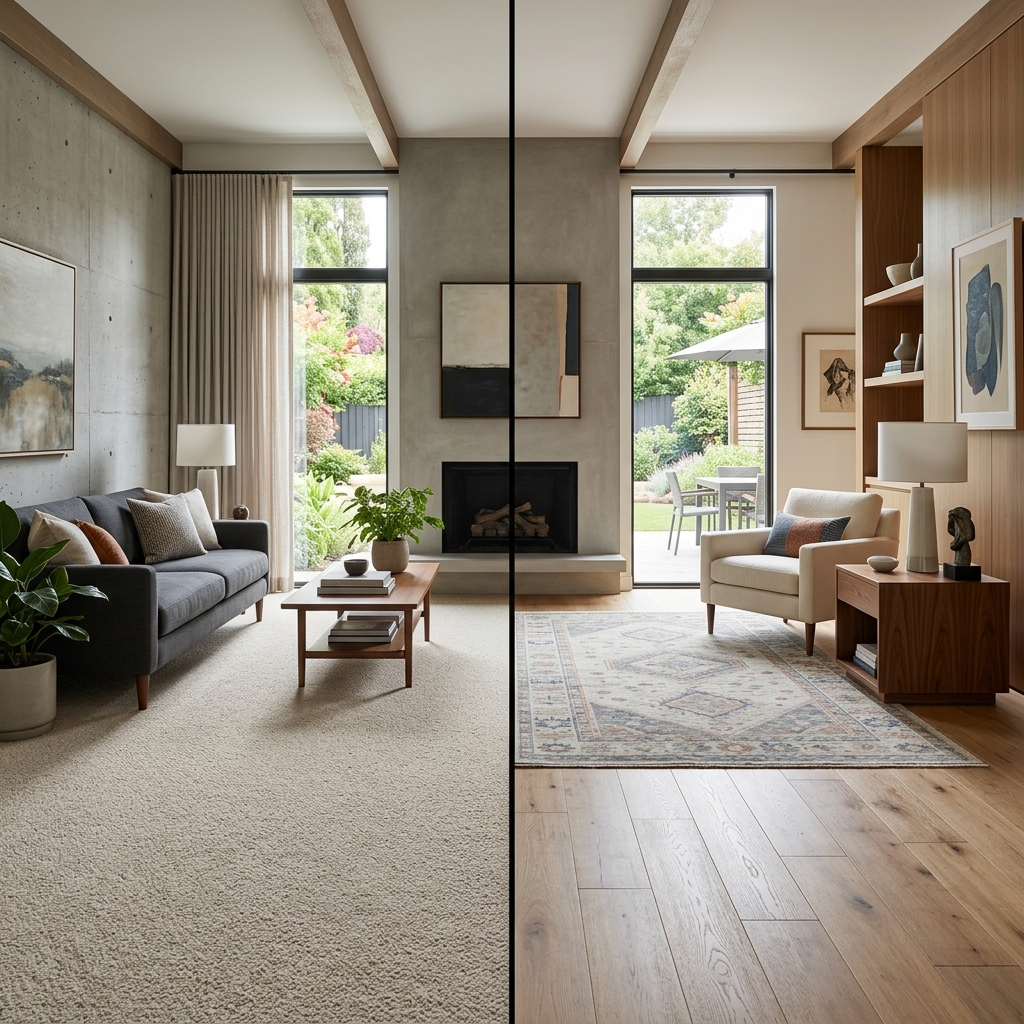
The living room is a hub of sound - televisions, music, conversation, and family games all compete in the same space. Without adequate soft surfaces, sound waves reflect off hard walls and hardwood or tile floors, creating a harsh, echoing acoustic environment. A large area rug acts as a high-performance acoustic buffer, absorbing sound waves and reducing the reverberation time in the room. This makes conversations easier to follow, improves television sound clarity, and prevents noise from carrying into adjacent rooms or downstairs apartments. Choosing a thick felt rug pad underneath your area rug will double its sound-absorbing performance, helping create a peaceful and quiet environment inside your home.
Safety Benefits for Children and Active Households
Beyond aesthetics, a living room rug provides a significant safety barrier. Smooth flooring materials like polished wood, laminate, or glazed tile can be extremely slick, especially when wearing socks or when pet paws are wet. This creates a risk for slips and falls. A dense wool or synthetic area rug provides a stable, slip-resistant pathway across the room. For families with infants learning to crawl and walk, or for elderly family members, the cushioned surface of a rug minimizes the impact of falls, reducing the risk of injuries. Placing a non-slip rubberized underlay beneath the rug is a vital step to ensure the rug stays anchored and flat, preventing curling edges that can become tripping hazards.
Securing Your Rug: The Role of Rug Pads
Once you find the perfect rug, do not forget to add a high-quality rug pad underneath. A rug pad serves several critical purposes. First, it prevents the rug from sliding, which is a major safety hazard, especially on smooth wood or tile floors. Second, it adds an extra layer of cushioning, making the rug feel softer. Third, it protects your subfloor from scratches caused by the rug's backing and absorbs impact, reducing wear on the rug's fibers. Look for a pad made of felt and natural rubber, which provides grip and cushion without damaging your floor's finish.
Finding the best living room rug means matching your home's aesthetic with durable, cleanable materials. By choosing the right size, a durable fiber like wool or polypropylene, and a low-to-medium pile height, you can enjoy a stylish and comfortable space for years.