Area Rug vs Wall-to-Wall Carpet: Which Is Better for Your Home?
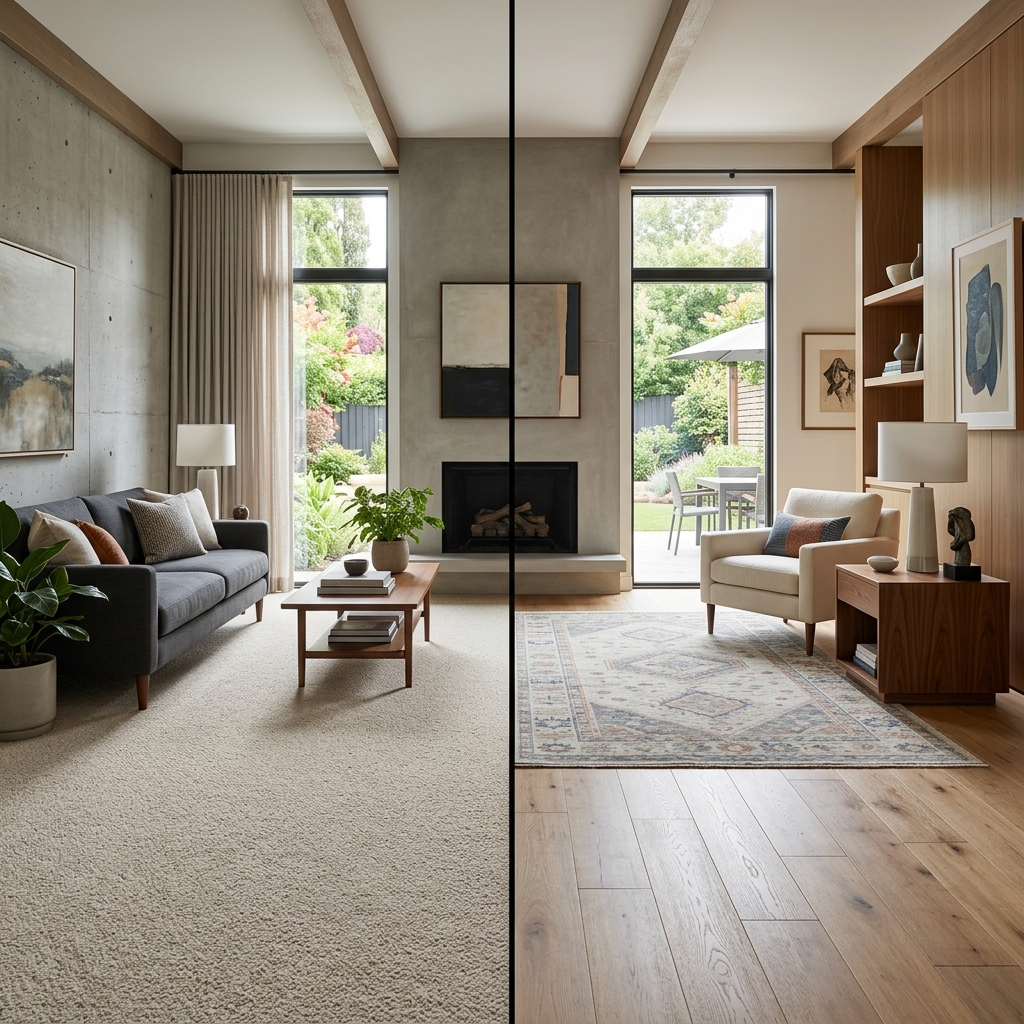
When designing or renovating a home, one of the most critical decisions is selecting the right flooring. The choice often comes down to a classic debate: should you install wall-to-wall carpet, or should you opt for hard flooring paired with area rugs? Both approaches have dedicated fans, and each offers distinct advantages in comfort, maintenance, aesthetics, and overall livability. Choosing the wrong option can lead to discomfort, allergy issues, or premature replacement costs. To make the best choice for your family, it is important to analyze the differences between these two flooring options and evaluate how they perform in real-world conditions.
Understanding Wall-to-Wall Carpet
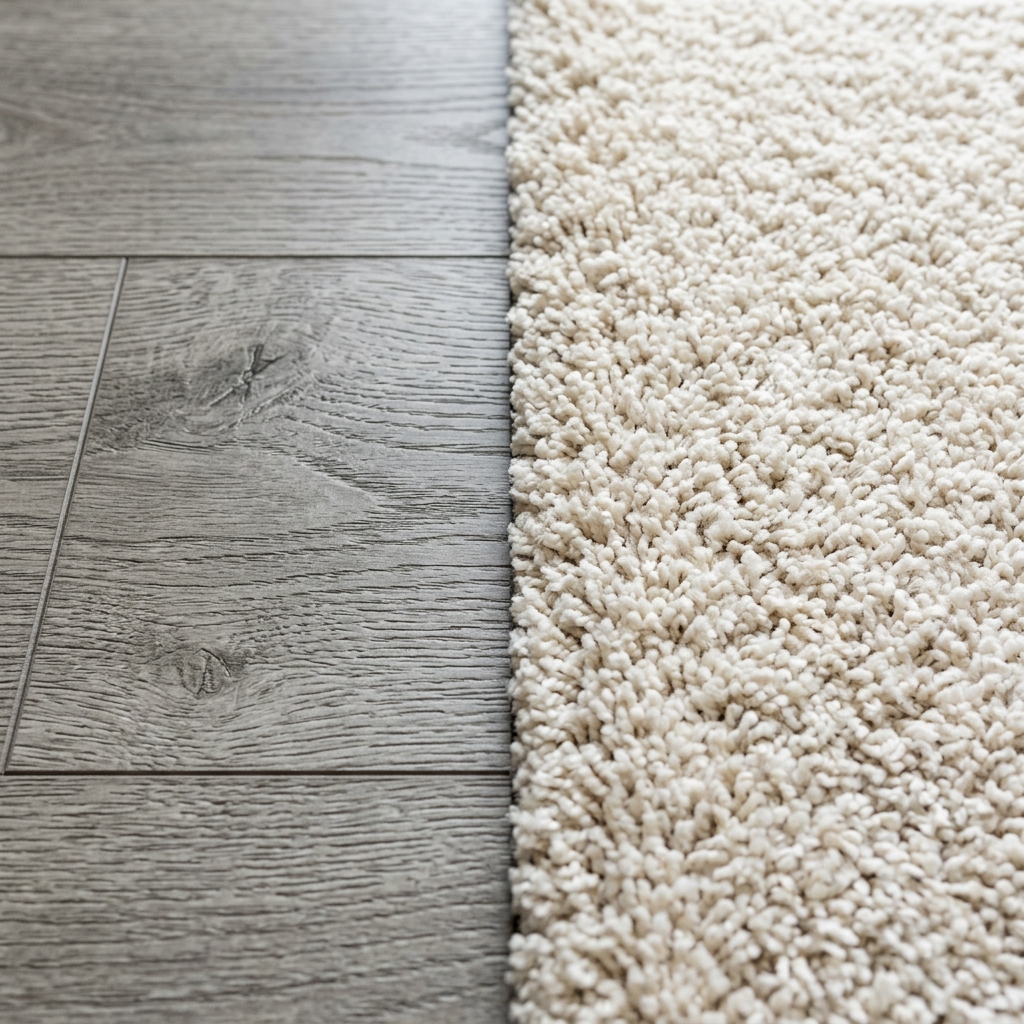
Wall-to-wall carpeting is installed to cover the entire floor surface of a room, secured at the edges with tack strips and cushioned underneath with a foam or rubber pad. This flooring option has been popular for decades because of the seamless, cozy atmosphere it creates. Walk into a room with plush carpet, and you immediately feel a sense of warmth and quiet. The dense fibers trap pockets of air, acting as an extra layer of thermal insulation that keeps rooms warmer in winter and cooler in summer. This makes carpet an excellent choice for bedrooms, cozy dens, and children's play areas, where family members often sit directly on the floor.
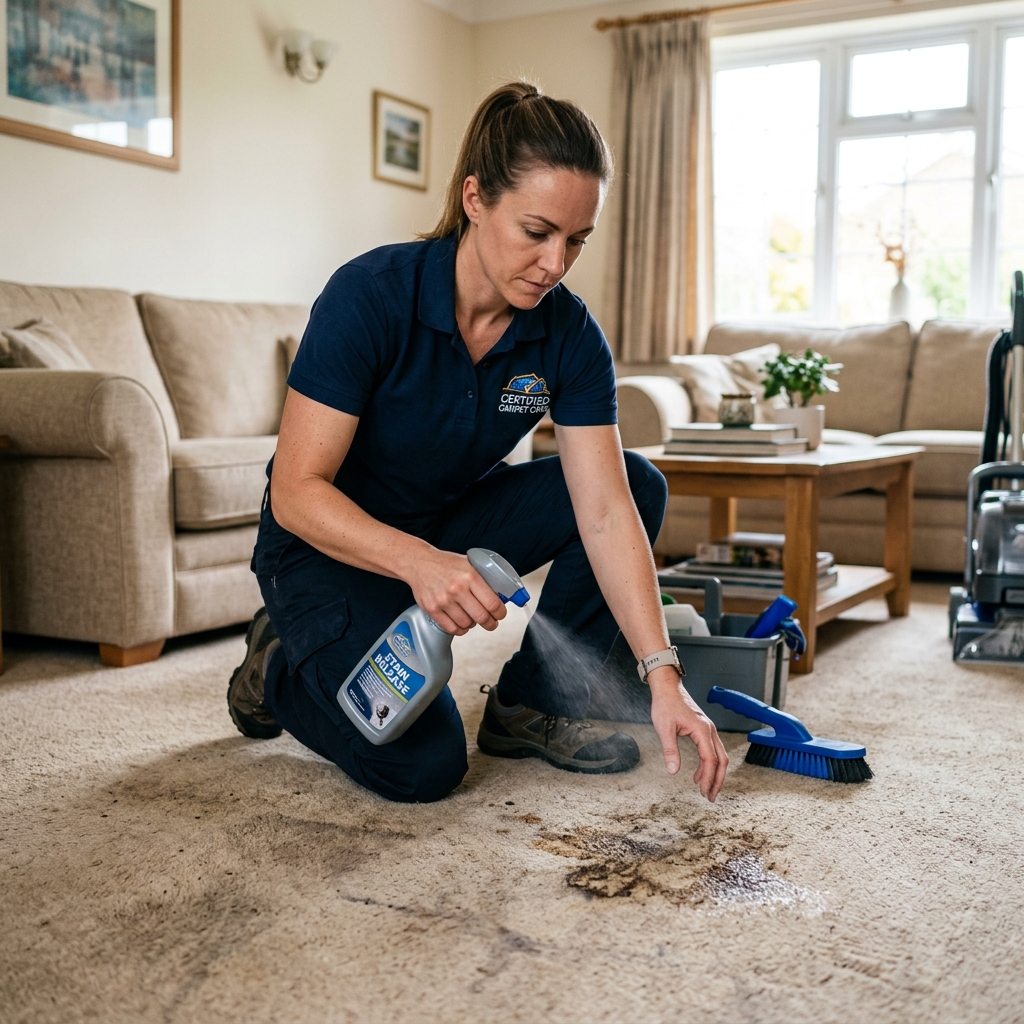
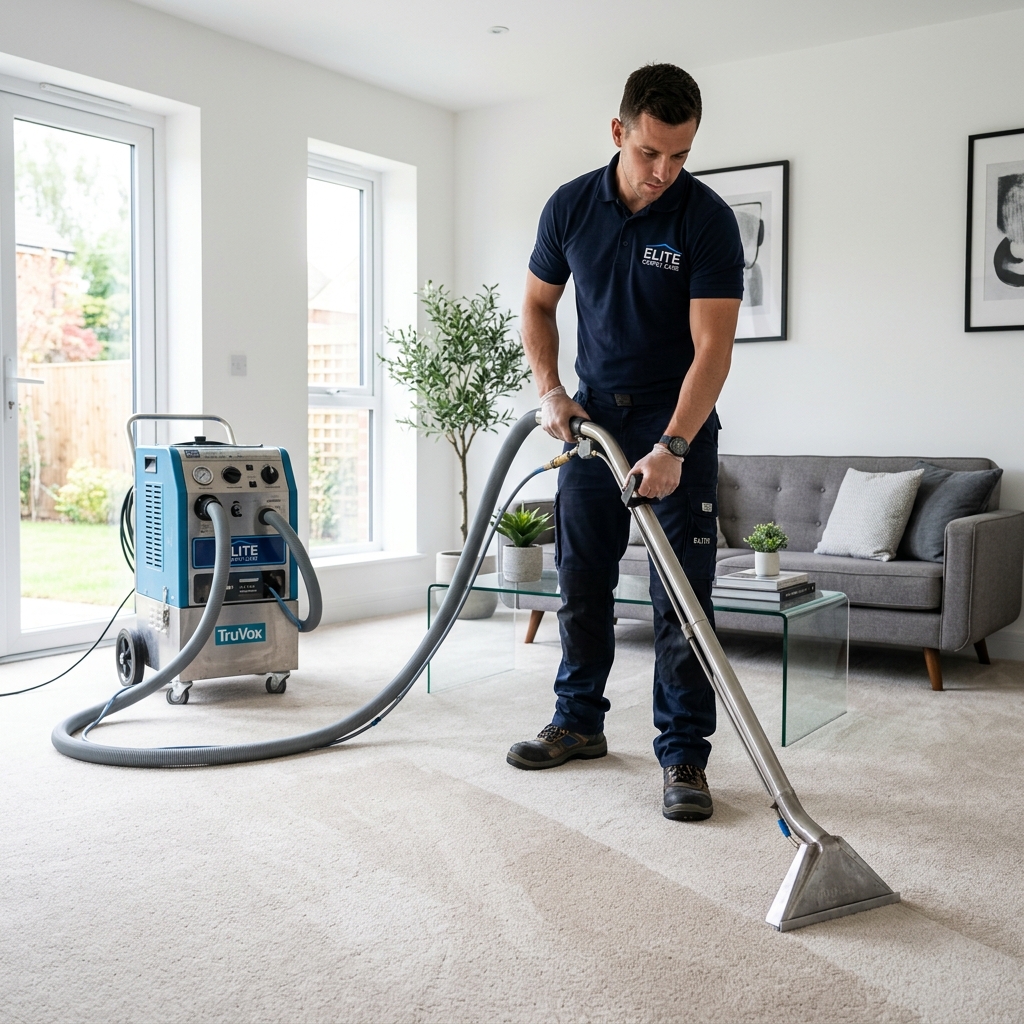
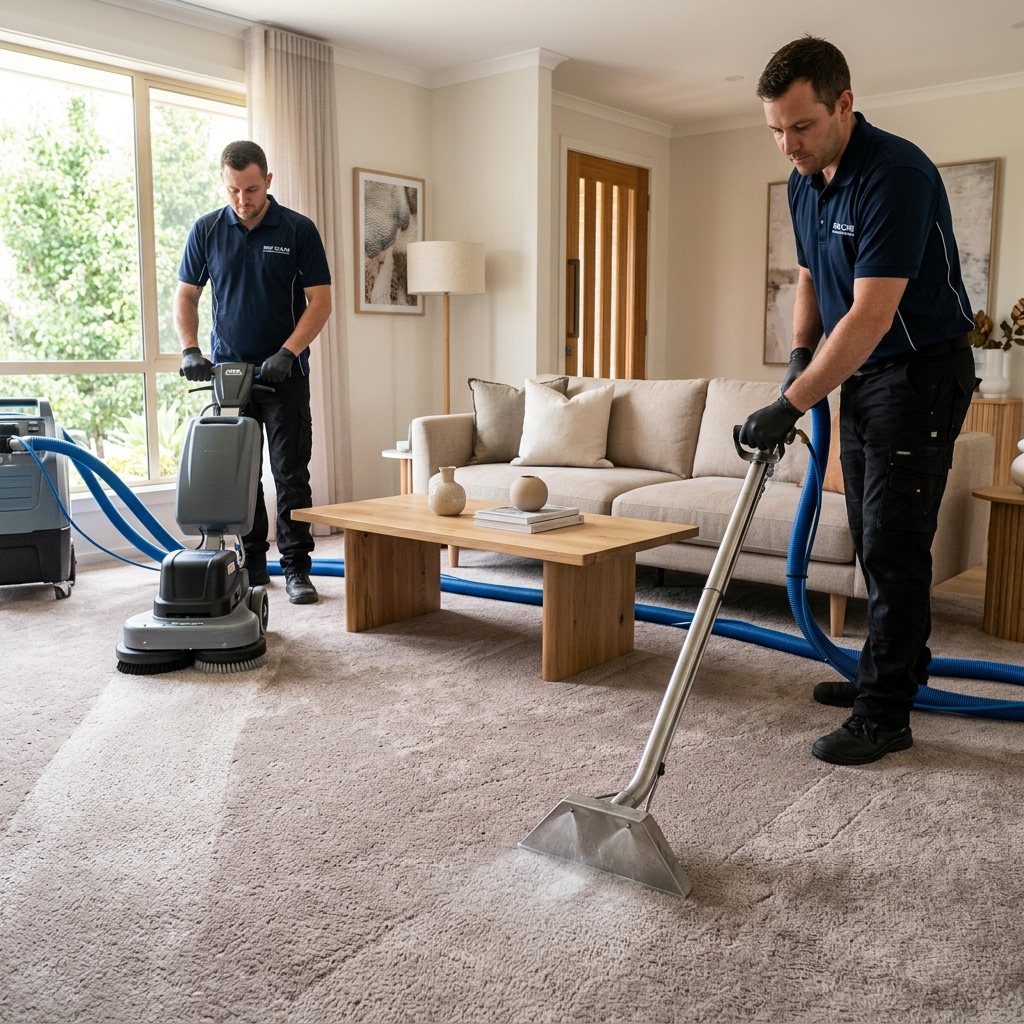
Another major benefit of wall-to-wall carpet is safety. The soft, cushioned surface provides a non-slip floor that reduces the risk of slips and falls, and cushions the impact if someone does fall. This is a key consideration for families with toddlers learning to walk or elderly relatives. Additionally, carpet is outstanding at absorbing sound, reducing echoes, and dampening the noise of footsteps. However, carpet is susceptible to wear in high-traffic pathways, leading to matting and tracking. It is also challenging to clean thoroughly, as liquid spills quickly seep into the pile and backing, leading to potential stains and mold if not dried promptly.
The Flexibility of Area Rugs on Hard Floors
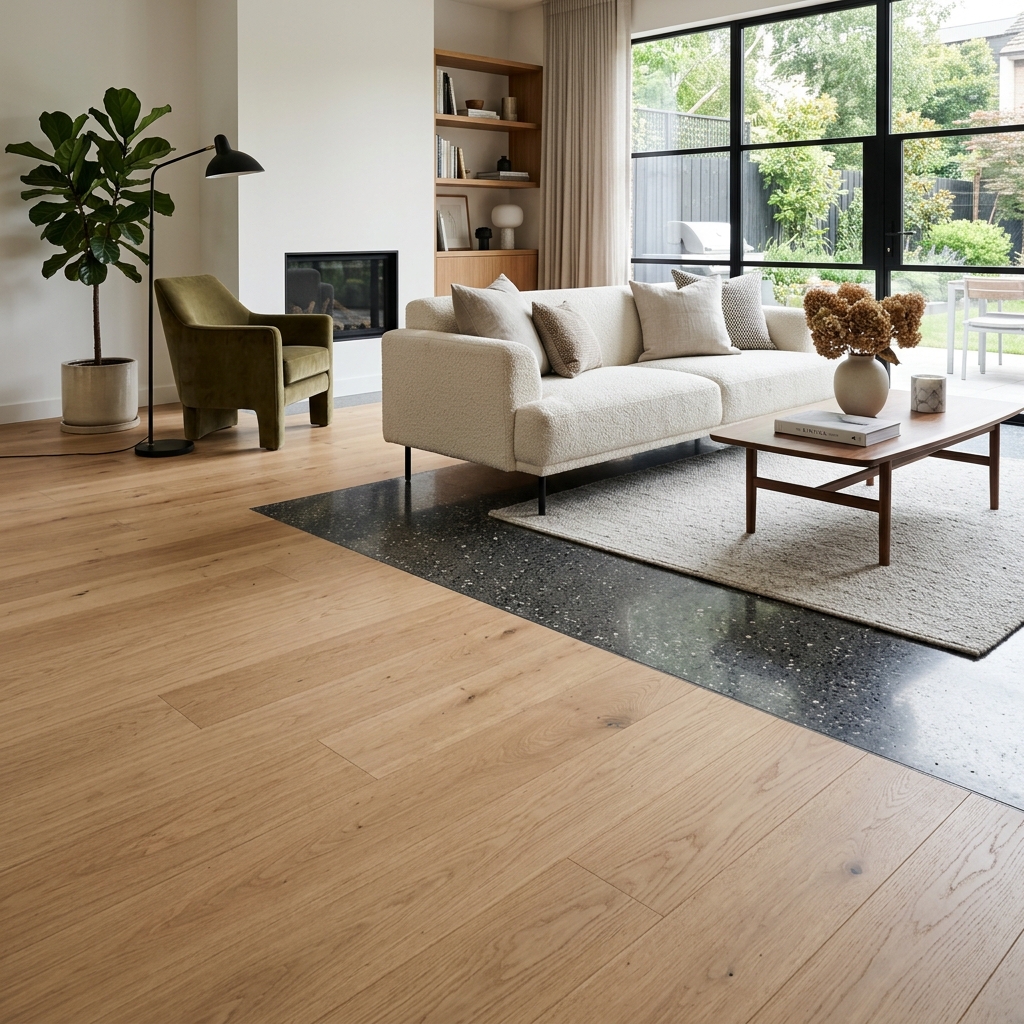
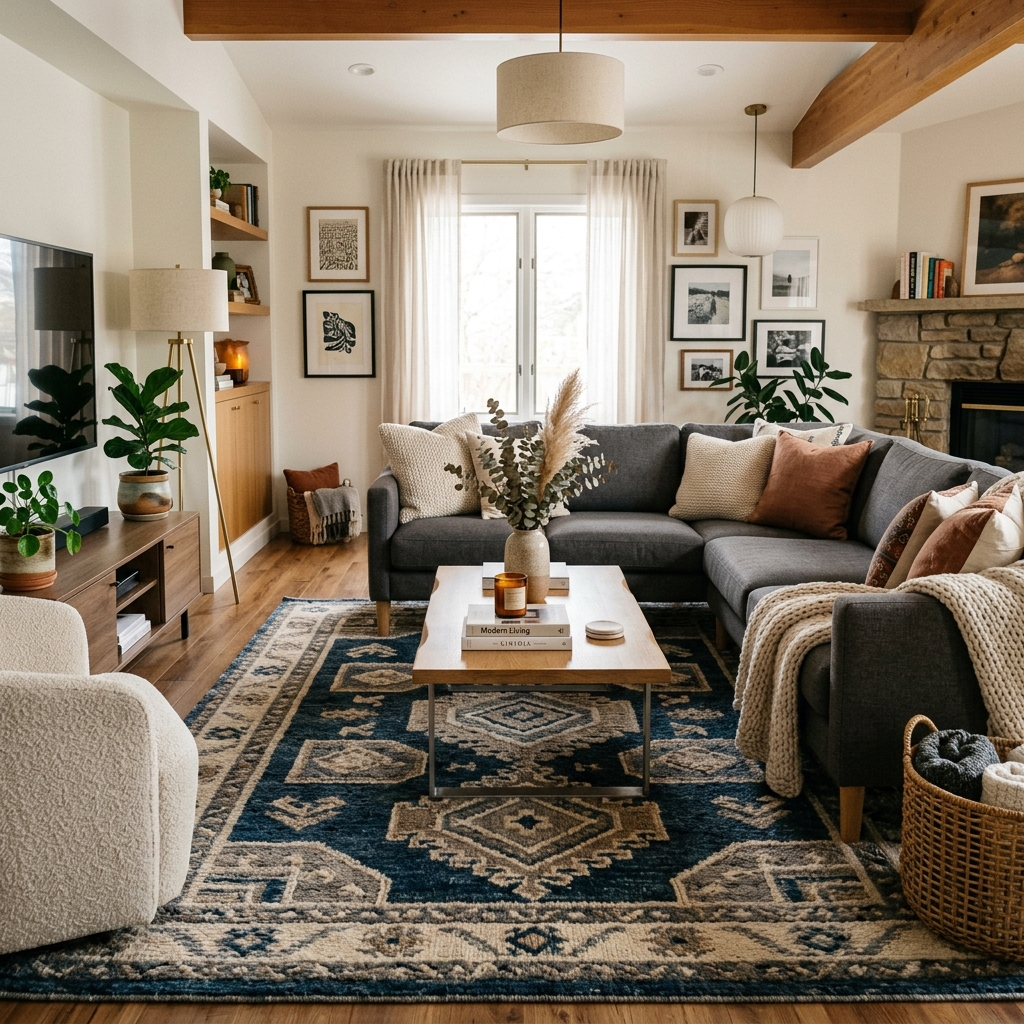
The alternative is installing a hard surface, such as hardwood, luxury vinyl plank, or tile, and placing area rugs on top. This combination offers unparalleled design flexibility. Unlike permanent carpet, an area rug can be easily moved, rotated, or replaced when your design preferences change. If you want to refresh the look of your living room, you can swap out a traditional Persian-style rug for a bright, modern geometric pattern in minutes. Area rugs also allow you to define distinct zones within an open-concept living space, separate a dining area from a sitting room, or frame a bed in a master suite.
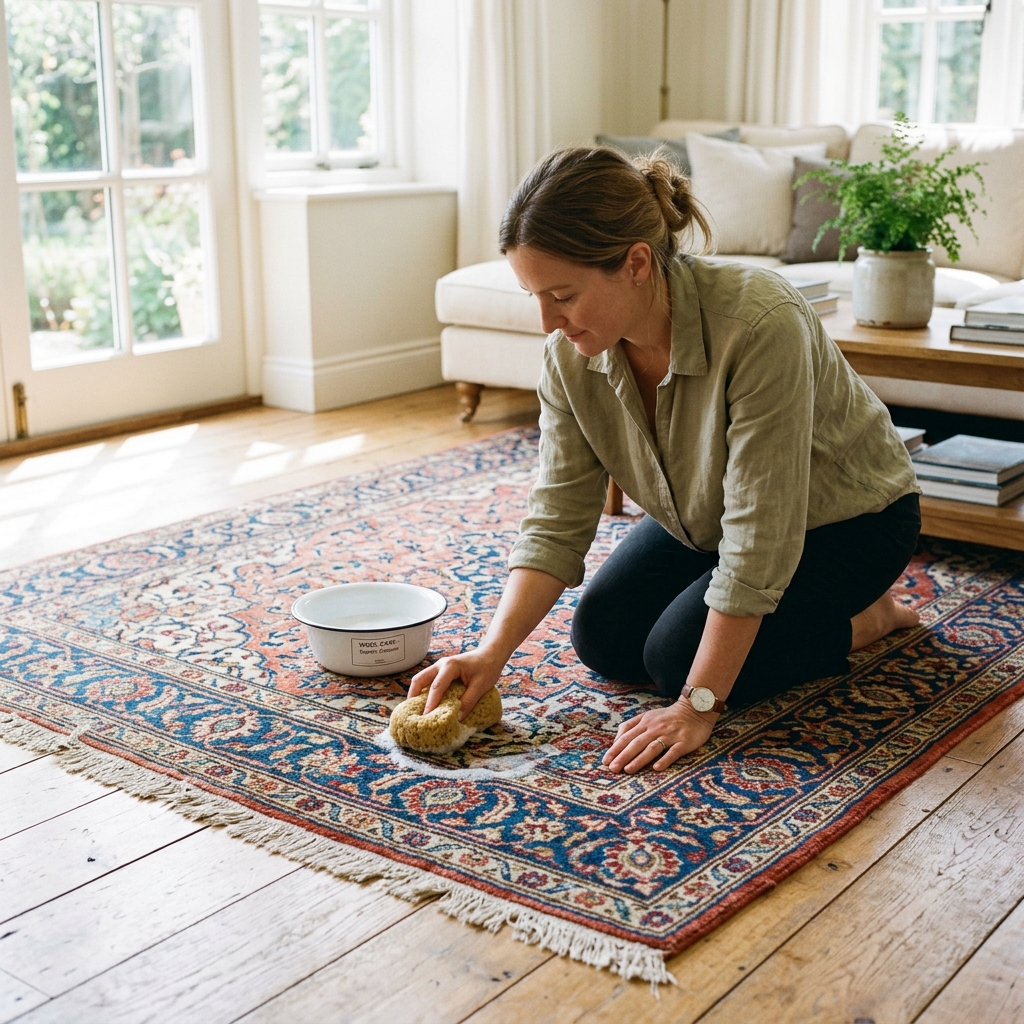
From a maintenance perspective, area rugs are much easier to manage. If a rug suffers a major spill or stain, you can pick it up and take it outside for cleaning, or send it to a professional rug washing facility. You can also clean the hard floor beneath it, preventing dust and dirt from accumulating permanently. If a section of your flooring is damaged, you only need to repair or replace that specific area or rug, rather than recarpeting the entire room. The main drawbacks of area rugs include the risk of slipping if a quality non-slip pad is not used, potential tripping hazards along the edges, and the higher overall cost of purchasing both hard flooring and premium rugs.
Acoustic and Thermal Performance Comparison
In terms of acoustics, wall-to-wall carpet is the clear winner. By covering every square inch of the floor, it minimizes sound bouncing off hard surfaces, making the home feel quieter and more peaceful. A hard floor with area rugs will absorb some sound, but the exposed hard surfaces will still reflect noise, potentially creating a louder, more reverberant environment. Thermally, carpet also holds a clear advantage, providing a warm barrier against cold subfloors. If you live in a colder climate, a fully carpeted room will feel cozy underfoot, whereas hard flooring can feel chilly without radiant floor heating, even with rugs placed on top.
Indoor Air Quality and Allergens
For families concerned with indoor air quality and asthma, the choice between carpet and rugs is significant. Carpet fibers act as a trap for dust, pet dander, pollen, and dust mites. While this keeps these particles out of the breathing zone temporarily, walking on the carpet kicks them back into the air. Over time, these allergens build up deep in the carpet backing, where standard vacuums cannot reach them. Hard floors with area rugs are generally much better for allergy sufferers. Dust and dander sit on the hard surface, making them easy to see and wipe away completely. Rugs can be taken outdoors to be beaten or washed, ensuring that allergens are removed from the home entirely rather than being trapped in the room.
Impact on Pet Owners and Animal Companions
If you share your home with dogs or cats, your choice of flooring requires additional consideration. Wall-to-wall carpets easily trap pet hair, dander, and odors, and pet accidents can penetrate the backing into the underlay, creating lingering smells that are extremely difficult to neutralize. Claw marks are rarely an issue on carpets, but snagging can happen with looped piles like Berber. Area rugs on hard flooring are highly favored by pet owners. Hard floors resist liquid penetration, making cleanup of pet accidents straightforward. If a rug is severely soiled, it can be cleaned independently or replaced, preserving the underlying floor. However, keep in mind that dogs can slip on hard floors, so using rugs with secure pads is important to provide them with traction as they move through the home.
Long-Term Adaptability and Trends in Home Design
Home design trends change over time. Wall-to-wall carpet is a permanent feature that can date a home quickly. If a buyer does not like the color or texture of your carpet, they must budget for complete removal and installation of new floors. On the other hand, hardwood or high-quality hard floors are classic, neutral canvases that appeal to almost all buyers. Placing area rugs on hard floors allows you to update the style of your home easily as design trends evolve. You can shift from warm earth tones to cool modern colors by changing rugs, making it simple to keep your interior looking contemporary without committing to a full floor replacement.
Room-by-Room Decision Guide
To decide which option is best for your home, evaluate your needs room by room. In bedrooms, where cozy comfort and quiet are priorities, wall-to-wall carpet is often the favorite. It provides a warm place to step out of bed and reduces noise from late-night movements. In the living room, where style and traffic are higher, a hard floor with a large, durable area rug offers a great balance of beauty, comfort, and easy cleanup. In the dining room and hallways, hard flooring with minimal or low-pile runners is highly recommended to handle spills, chairs sliding, and heavy foot traffic without staining or wearing out quickly.
Ultimately, the choice depends on your lifestyle, aesthetic goals, and budget. Wall-to-wall carpet offers cozy comfort and excellent sound control, while area rugs on hard floors provide design versatility, durability, and a clean environment. By matching the flooring to the specific function of each room, you can create a comfortable, beautiful home.