Carpet Alternatives for Homeowners: What to Consider Before You Switch
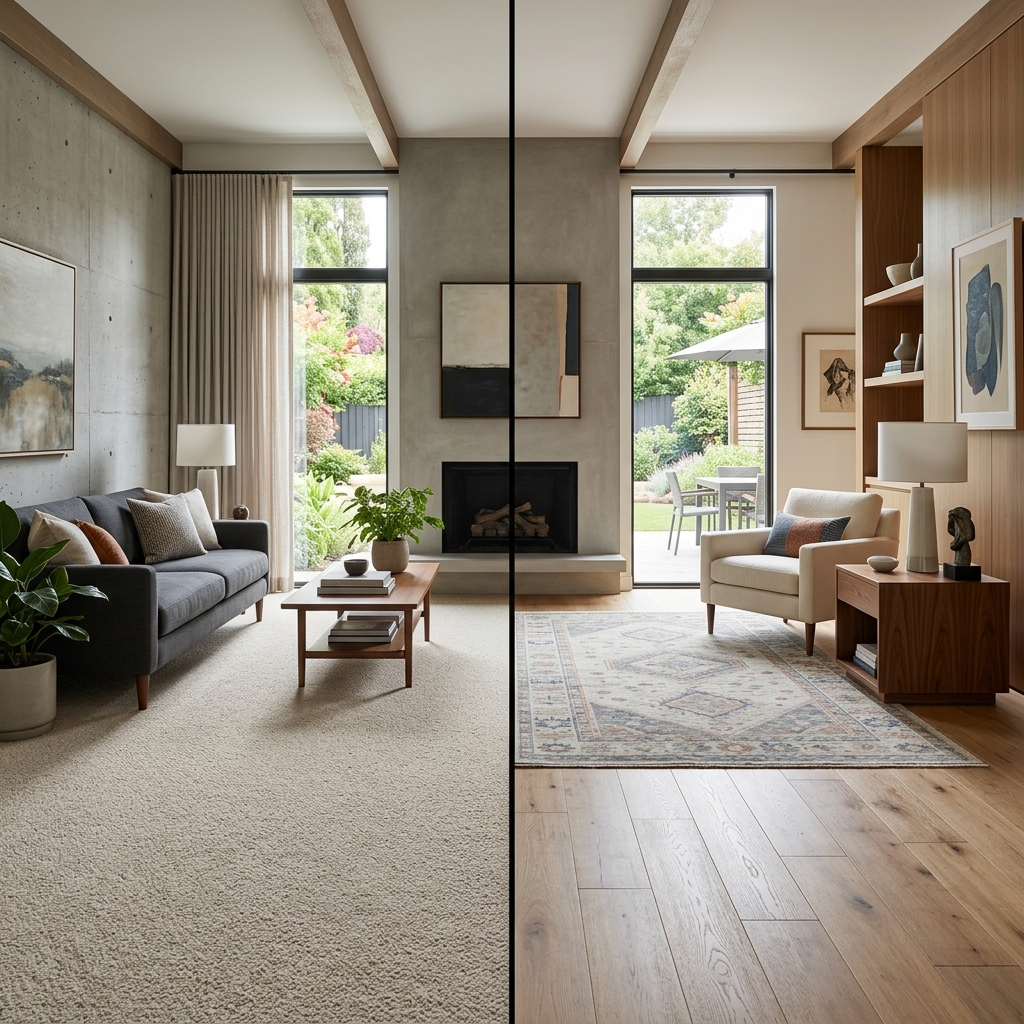
For decades, wall-to-wall carpeting has been a staple in homes across the world, offering warmth, soft cushioning underfoot, and a sense of cozy comfort. However, modern interior design and changing homeowner preferences have sparked a massive shift toward carpet alternatives. From wood-look planks to natural stone tiles, the options available today are vast, durable, and highly stylish. If you are considering pulling up your old carpet and making the switch, it is vital to understand what choices are out there and what factors you need to weigh before committing. Making a change in flooring is a major investment that impacts your home's aesthetics, maintenance routine, and overall indoor environment for years to come.
Popular Flooring Alternatives to Carpet
When looking to replace carpet, the first step is exploring the range of alternative materials. Hardwood flooring remains the gold standard for many, prized for its classic elegance and long lifespan. Solid hardwood can be sanded and refinished multiple times, allowing it to adapt to changing style trends over decades. Engineered wood flooring is another excellent alternative, consisting of a real wood veneer atop layers of high-density fiberboard. This construction provides the genuine look of wood with greater stability, making it less prone to warping due to temperature and humidity fluctuations.
Luxury vinyl plank (LVP) has surged in popularity because it replicates the look and texture of natural wood or stone while being completely waterproof and exceptionally resilient. Laminate flooring is a budget-friendly option that uses a high-resolution photographic layer protected by a tough wear surface, resisting scratches and dents from pets and furniture. For areas like kitchens, bathrooms, and entryways, ceramic or porcelain tiles offer unmatched moisture resistance and design flexibility. Lastly, polished concrete and natural stone tiles (such as marble, travertine, or slate) provide high-end, modern design options that are extremely durable and simple to clean.
Comfort and Temperature Considerations
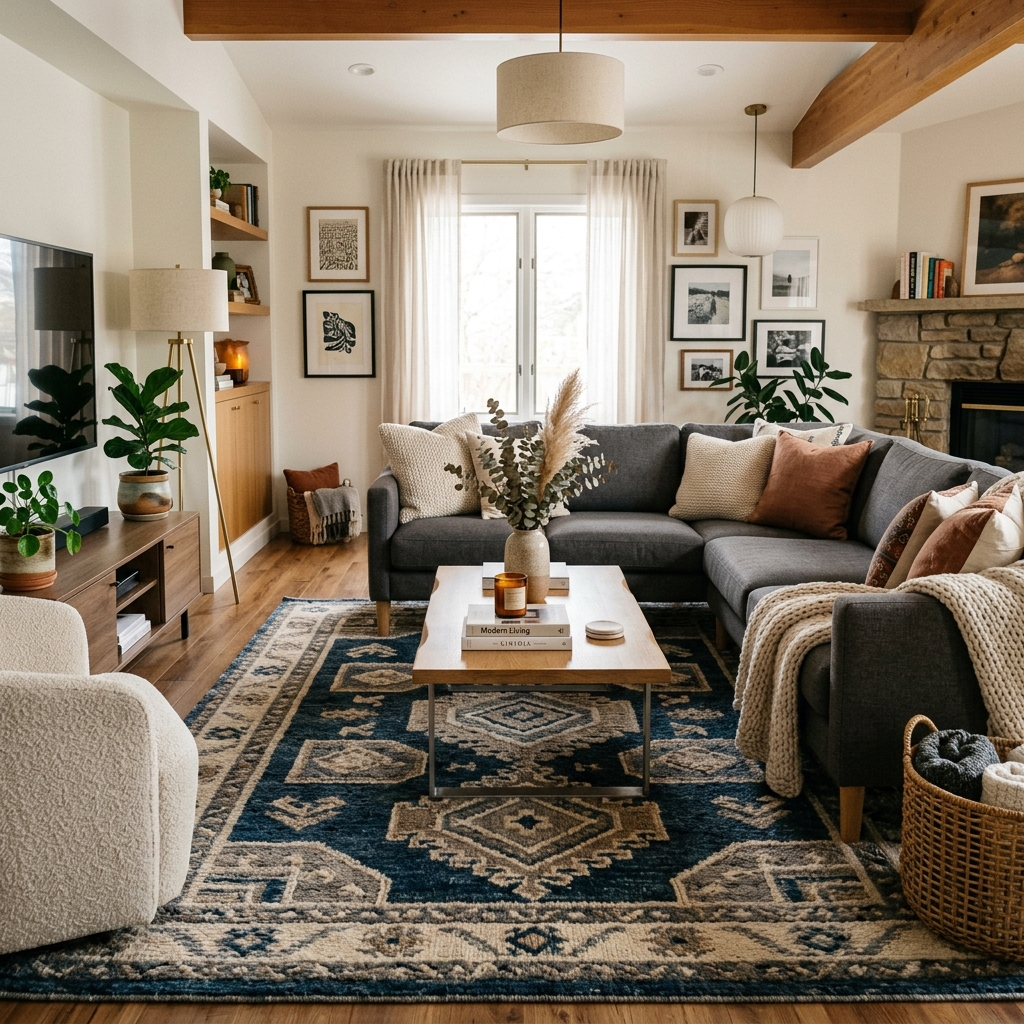
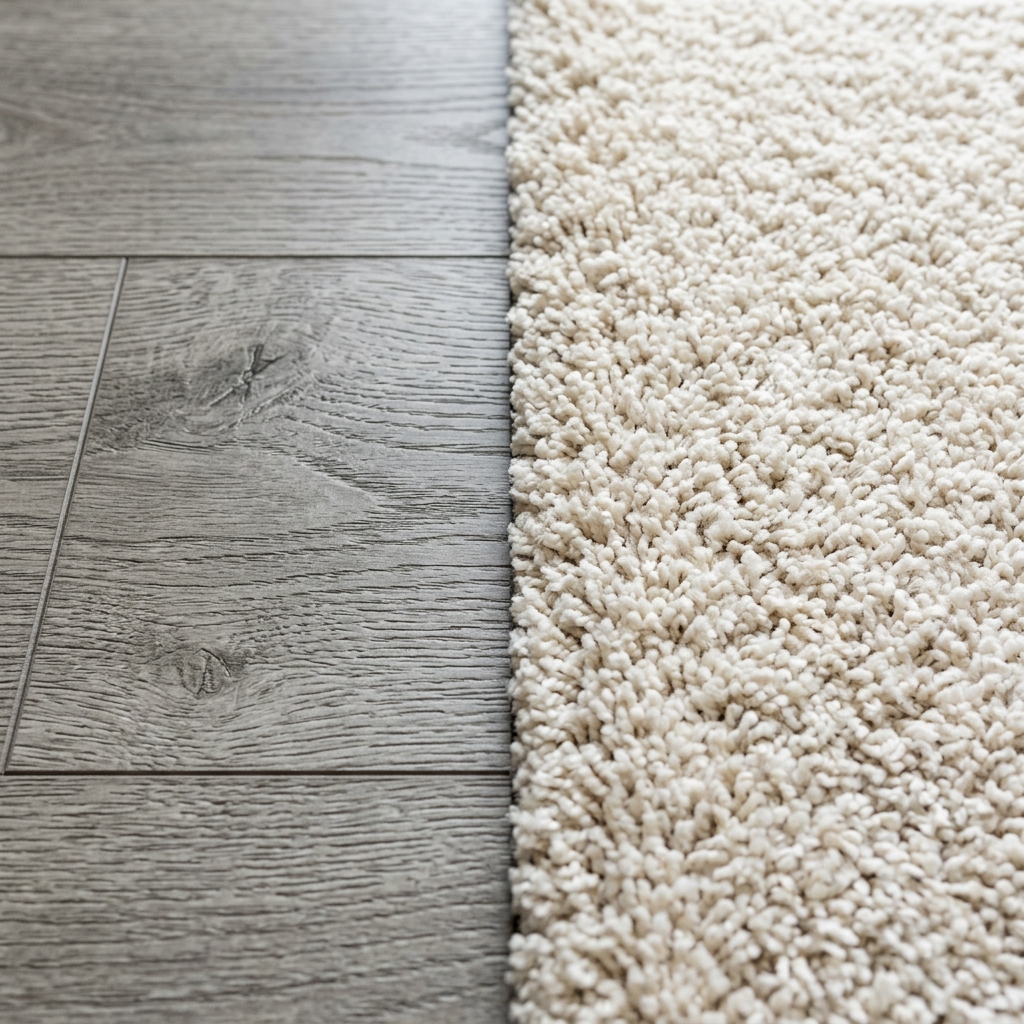
One of the most immediate changes you will notice when switching from carpet to a hard floor surface is the difference in feel. Carpet is naturally warm and soft, acting as an insulating layer that retains heat in winter. Hard surfaces, on the other hand, can feel cold and rigid, especially during winter mornings. To mitigate this, homeowners often install underfloor heating systems beneath tile or luxury vinyl, or rely on strategically placed area rugs to provide soft zones where people sit or stand frequently. It is important to consider how you use each room. A bedroom might benefit from the warmth of carpet, whereas a high-traffic hallway is better suited for a durable, hard alternative.
Acoustic and Sound Transmission Impacts
Carpeting plays a significant role in sound absorption, dampening footsteps, voices, and household noises. When you remove carpet, sound waves reflect off hard surfaces, which can lead to echoes and a noisier indoor environment. This is particularly noticeable in open-concept homes or double-story residences where footsteps on the upper floor can be heard clearly below. Choosing flooring alternatives with built-in acoustic underlayments, such as certain luxury vinyl planks or engineered wood, can help reduce sound transmission. Additionally, adding fabric elements like curtains, soft furniture, and area rugs will help absorb sound and restore acoustic balance to your living space.
Maintenance, Cleaning, and Hygiene
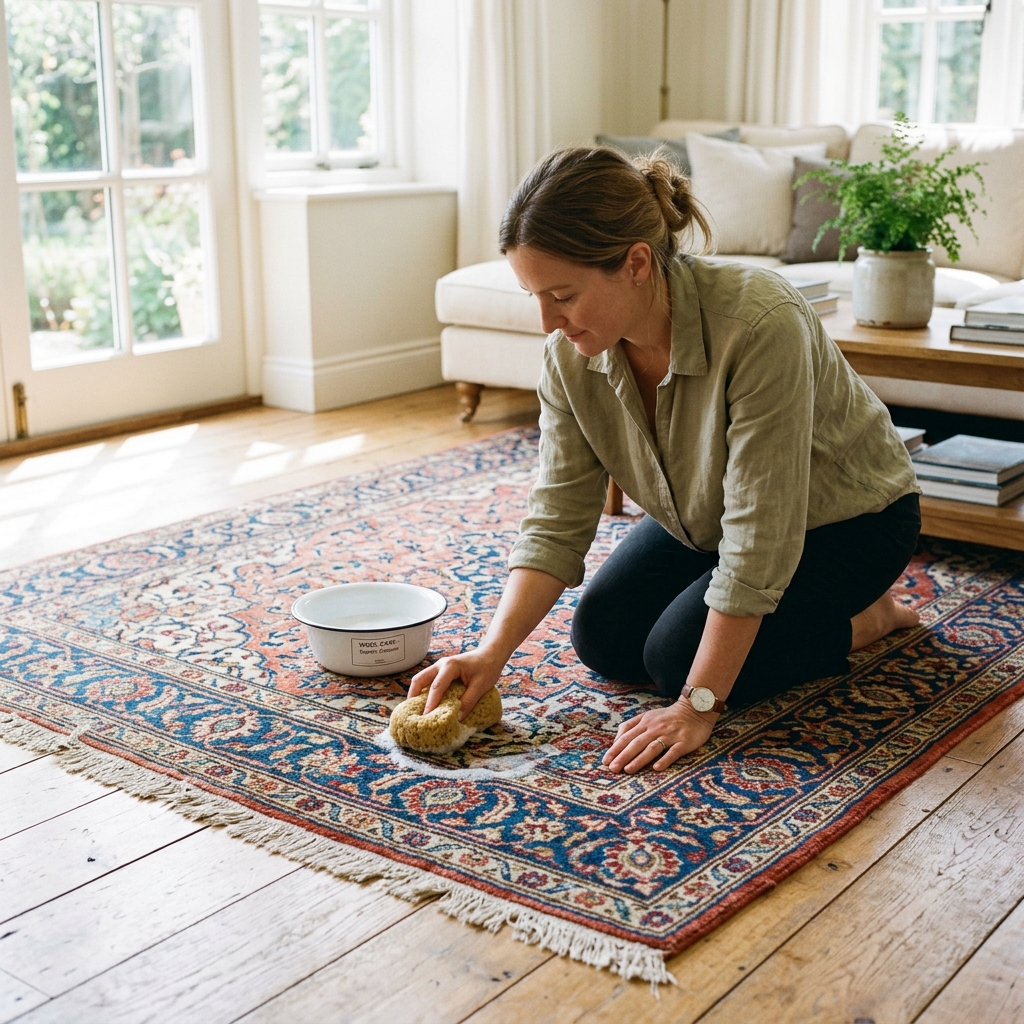
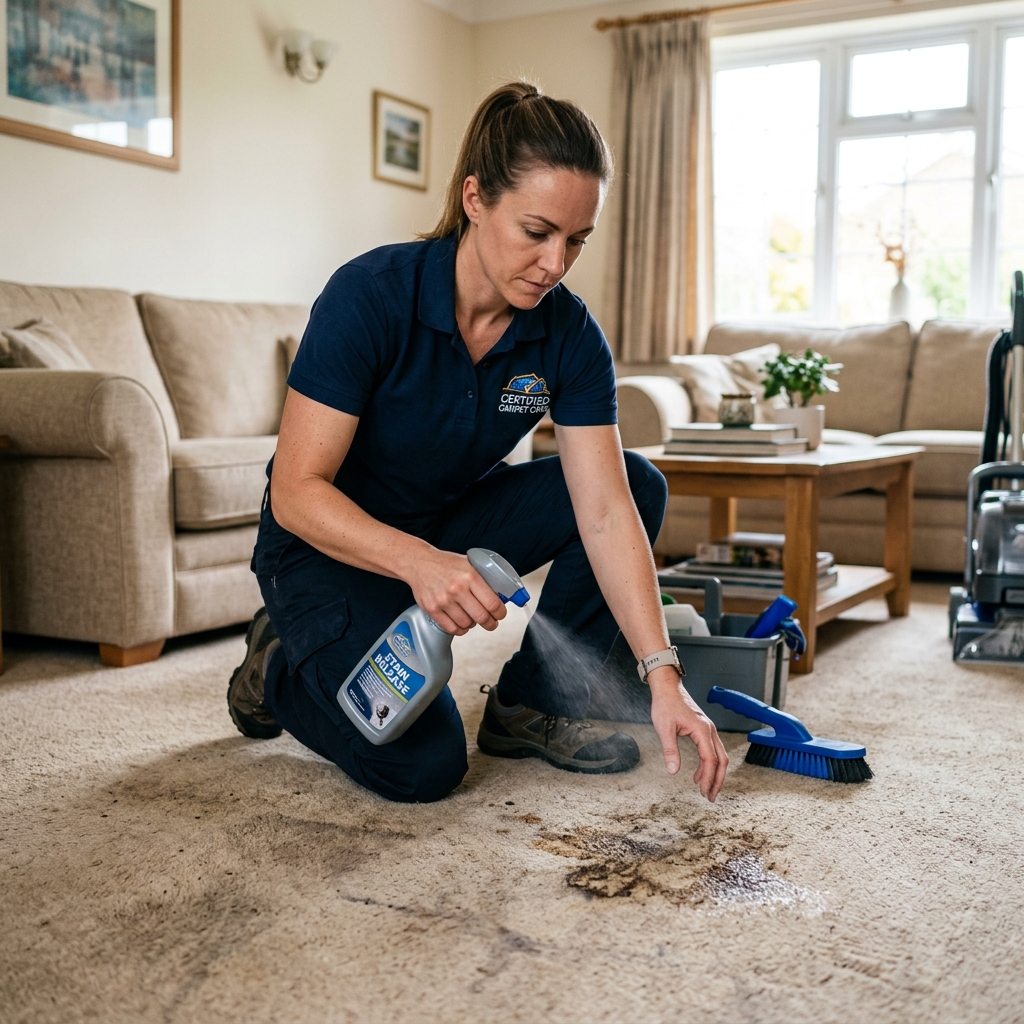
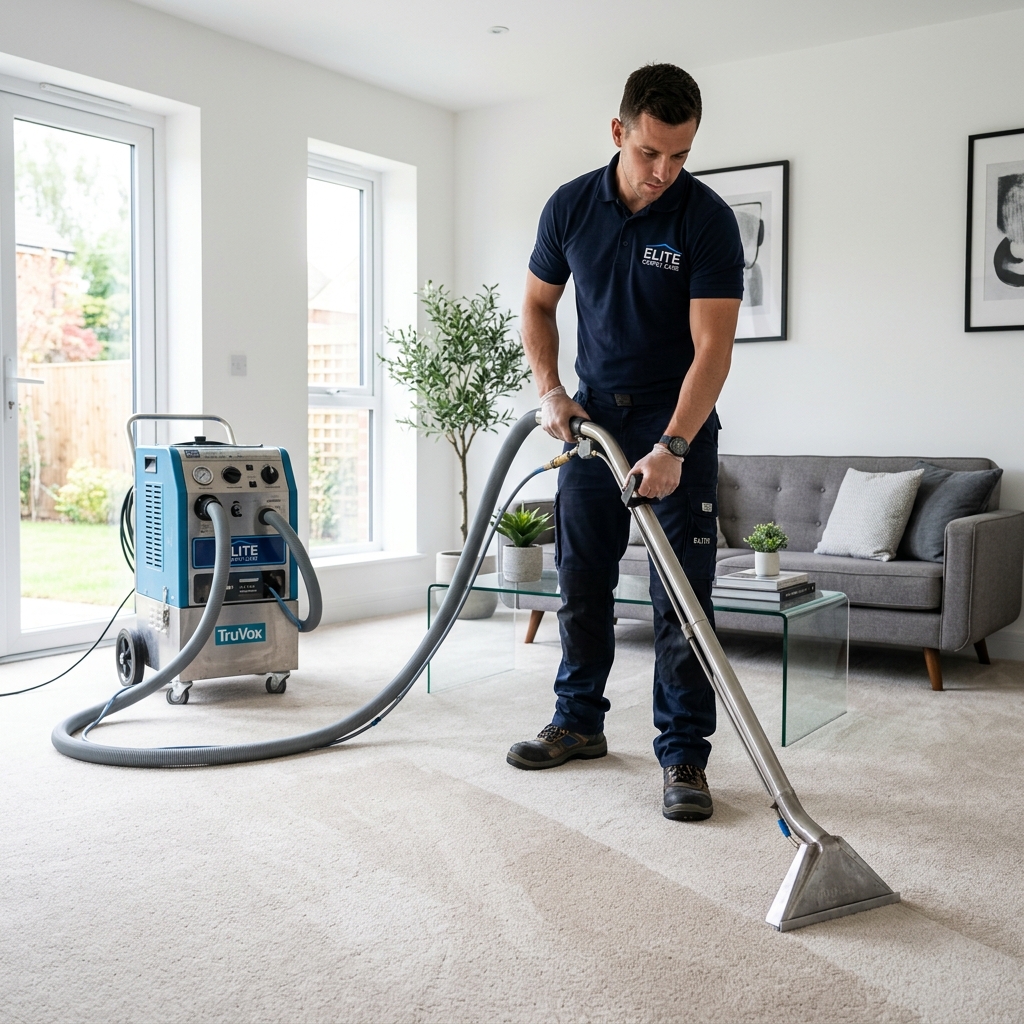
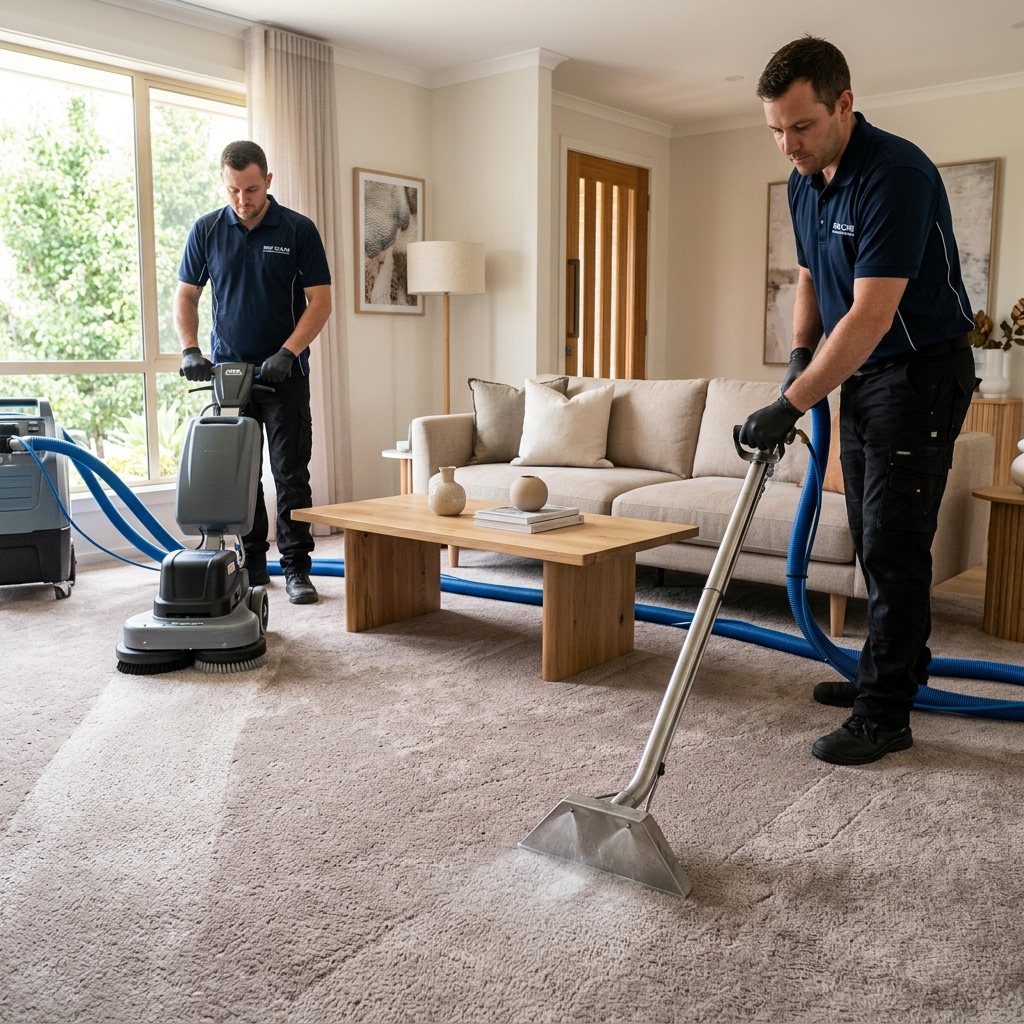
From a cleaning perspective, switching to a hard floor is often a relief for homeowners. Carpets act as giant filters, trapping dust, pet dander, pollen, and hair deep within their fibers. While vacuuming helps, it rarely removes everything, and spills can quickly turn into permanent stains or foster mold growth if moisture penetrates the backing. Hard floor alternatives are much easier to keep hygienic. Dust and allergens sit on the surface, where they can be swept, vacuumed, or damp-mop-cleaned easily. This makes hard floors a highly recommended choice for individuals suffering from asthma or severe environmental allergies. However, keep in mind that dust will be more visible on hard surfaces, requiring more frequent light cleaning to maintain a pristine look.
Durability, Longevity, and Financial Investment
While the upfront cost of installing hardwood, tile, or premium luxury vinyl is generally higher than putting down new carpet, these alternatives offer far superior longevity. A high-quality carpet typically needs replacement every seven to ten years due to matting, staining, and general wear. In contrast, well-maintained hardwood or porcelain tile can last for decades, often outliving the home's occupants. Engineered wood and luxury vinyl planks also boast impressive lifespans, frequently lasting twenty-five years or more. When calculating the financial impact, look beyond the initial installation cost and consider the long-term value. Hardwood flooring, in particular, is known to boost a property's resale value, making it a wise investment for the future.
Aesthetics and Home Design Flexibility
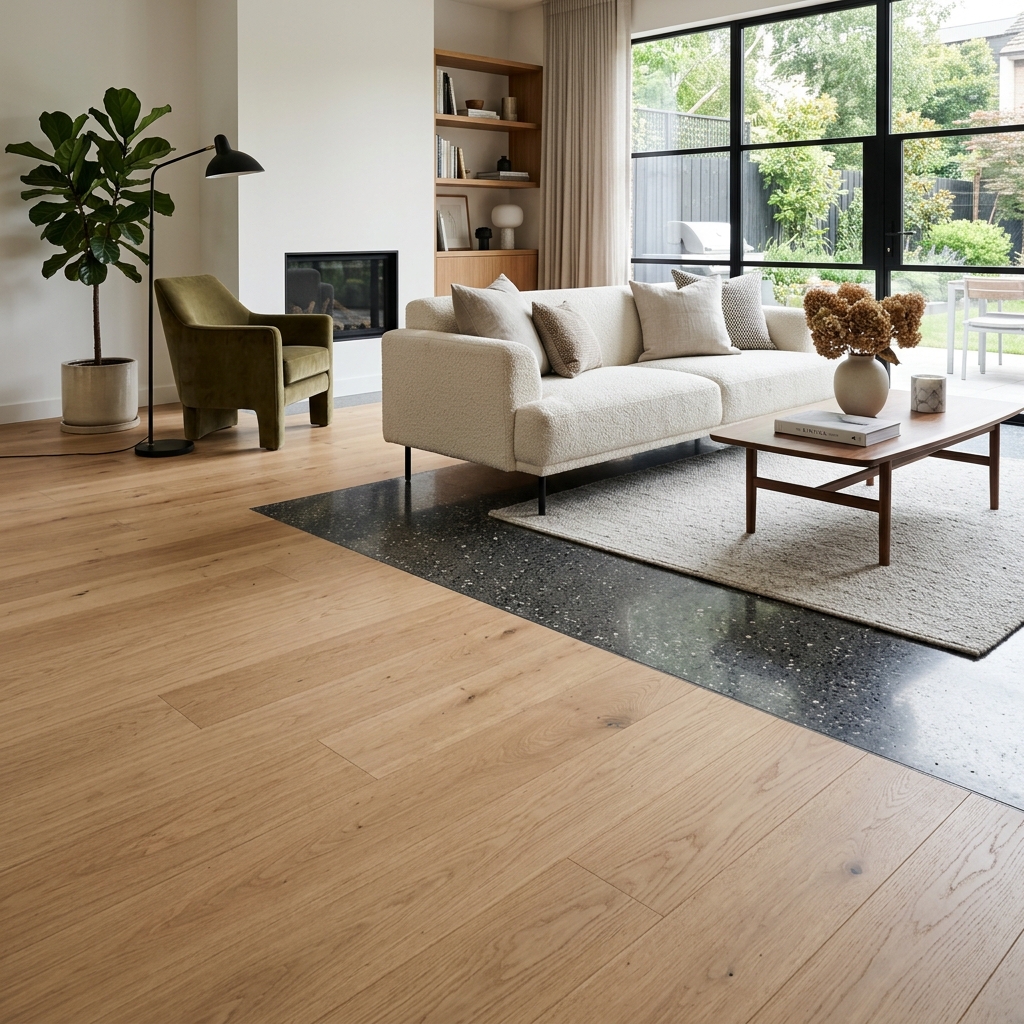
The floor is the foundation of your room's style. Carpeting offers a soft, uniform color canvas, but hard flooring alternatives bring rich texture, depth, and character. Hardwood and luxury vinyl planks introduce natural grain patterns that add warmth and organic beauty to modern, rustic, or traditional decors. Stone and tile allow for creative patterns, such as herringbone or chevron layouts, which serve as design features in their own right. Furthermore, hard flooring makes it easier to update the look of a room. By simply changing an area rug, you can completely transform the color palette and mood of the space without the major expense of replacing the entire floor.
Environmental Impact and Indoor Air Quality
We must also consider the environmental footprint of each flooring alternative. Traditional carpets often contain synthetic materials, adhesives, and chemical dyes that release volatile organic compounds (VOCs) into the air, particularly when new. Hardwood flooring, especially when sourced from sustainably managed forests, is an excellent option that can last a century. Engineered wood uses less slow-growing timber than solid planks, making it an efficient choice. Ceramic tile and stone are natural materials that do not emit VOCs and can be recycled at the end of their lifespan. On the other hand, while luxury vinyl plank and laminate are durable, they are synthetic products that require careful manufacturing processes. When choosing your flooring, look for products that meet strict low-emission ratings to support healthy indoor air.
The Importance of Subfloor Preparation for Alternatives
One aspect that homeowners often overlook is the requirements of the subfloor. Carpet is forgiving of minor imperfections, bumps, or slopes in the subfloor because the thick underlay cushions them. Hard flooring alternatives are not forgiving. If you install luxury vinyl plank, laminate, or hardwood over an uneven subfloor, the joints can flex, squeak, or split over time. Plywood subfloors must be securely screwed down to prevent squeaks, and concrete subfloors must be leveled using self-leveling compounds or grinding. This preparation work adds to the installation cost but is crucial to ensure that your new hard floor remains stable and looks professional for decades.
Summary Checklist Before You Make the Switch
Before you make the final decision to replace your carpet with an alternative, review this simple checklist. First, assess the condition of your subfloor, as hard flooring requires a very flat, dry surface for a proper fit. Second, establish a clear budget that accounts for the removal of old carpet, purchasing the new material, underlayment costs, and professional installation. Third, consider your household dynamic. Homes with active pets and young children will benefit most from highly durable and scratch-resistant options like luxury vinyl plank or tile. Finally, consider how the transition will affect the visual flow and height matching between different rooms in your home.
Ultimately, moving away from wall-to-wall carpet opens up a world of design possibilities. By understanding the characteristics of each alternative and how they fit into your daily life, you can choose a floor that looks stunning, stands up to your family's needs, and provides long-term satisfaction.