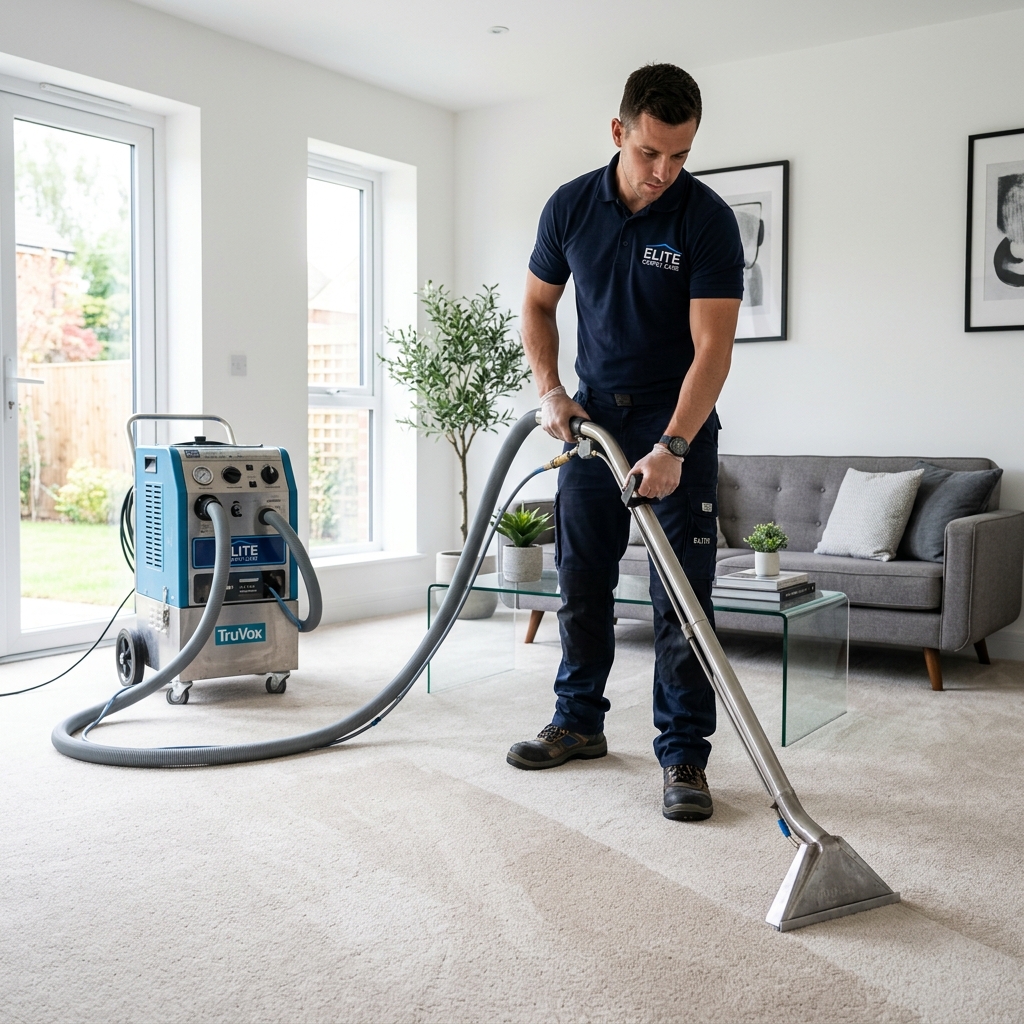
10 Proven Carpet Cleaning Methods for Pristine Floors
Carpets take a lot of punishment. Between daily foot traffic, spilled drinks, pet accidents, dust, allergens, and general wear and tear, it's no surprise that carpets can start to look tired and feel less than fresh over time. The good news is that there's a wide range of proven carpet cleaning methods available today, each suited to different types of carpet, levels of soiling, and household needs.
At Extract Carpet Cleaning Melbourne, we work with all of these methods on a daily basis, matching the right technique to each home and carpet type. In this article, we'll walk through ten proven carpet cleaning methods, explaining how each one works, its benefits, and the situations where it tends to work best.
1. Hot Water Extraction (Steam Cleaning)
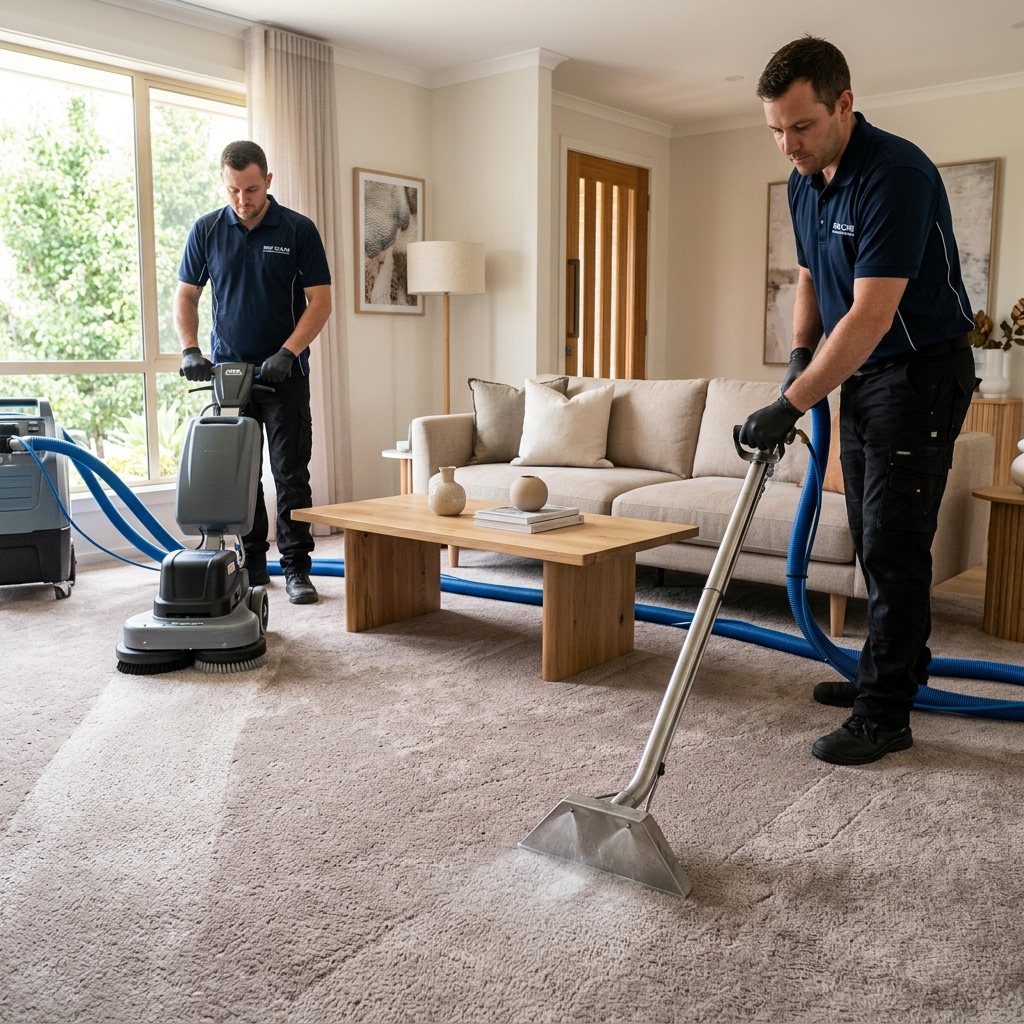
Hot water extraction, often referred to as steam cleaning, is widely regarded as one of the most effective deep-cleaning methods available for carpets. A machine sprays a mixture of hot water and cleaning solution deep into the carpet fibres under pressure, then immediately extracts the water along with dirt, dust, allergens, and bacteria using powerful suction.
This method is particularly effective at removing deeply embedded dirt and allergens, making it a popular choice for households with allergy sufferers, pets, or high foot traffic. Most carpet manufacturers actually recommend hot water extraction as part of routine maintenance to preserve carpet quality and longevity.
2. Dry Carpet Cleaning
Dry carpet cleaning uses little to no moisture, relying instead on specialised cleaning compounds or powders that are worked into the carpet fibres and then vacuumed out along with the dirt they've absorbed. Because there's minimal drying time involved, often under an hour, this method is ideal for busy commercial spaces or households that need carpets back in use quickly.
While dry cleaning is excellent for light to moderate soiling and general maintenance, it's generally less effective than hot water extraction for deeply embedded dirt or heavily stained carpets.
3. Carpet Shampooing
One of the more traditional carpet cleaning methods, shampooing involves applying a foamy cleaning solution to the carpet using a rotating brush machine. The shampoo works into the fibres, lifting dirt to the surface, where it dries into a residue that's then vacuumed away once fully dry.
While shampooing can produce great initial results, particularly on heavily soiled carpets, it does require a longer drying time and can sometimes leave behind sticky residue if not thoroughly vacuumed, which can actually attract more dirt over time if not rinsed properly.
4. Encapsulation Cleaning
Encapsulation cleaning uses a specialised cleaning solution that crystallises around dirt particles as it dries, effectively encapsulating them so they can be easily vacuumed away. This method uses far less water than hot water extraction, resulting in significantly shorter drying times, often just a couple of hours.
Encapsulation is particularly well suited to commercial environments and lightly to moderately soiled carpets where fast turnaround is a priority, though it's generally not as effective as hot water extraction for deep, ground-in stains.
5. Bonnet Cleaning
Bonnet cleaning is a surface-level cleaning method commonly used in commercial settings like hotels and offices where a fast, visible clean is needed between deeper cleaning cycles. A rotating machine fitted with an absorbent pad, or bonnet, is used along with a cleaning solution to lift surface dirt from the top of the carpet fibres.
While effective for maintaining appearance between deeper cleans, bonnet cleaning doesn't reach deeply embedded dirt or allergens, making it best suited as a supplementary method rather than a standalone deep clean.
6. Carpet Foam Cleaning
Foam cleaning applies a lower-moisture foam directly to the carpet, which is then worked into the fibres and later extracted along with the dirt it's captured. This method sits somewhere between dry cleaning and hot water extraction in terms of moisture use, offering a reasonable balance between cleaning power and drying time.
It's often used for spot treatment or as a lighter maintenance clean between more thorough hot water extraction sessions.
7. Spot and Stain Treatment
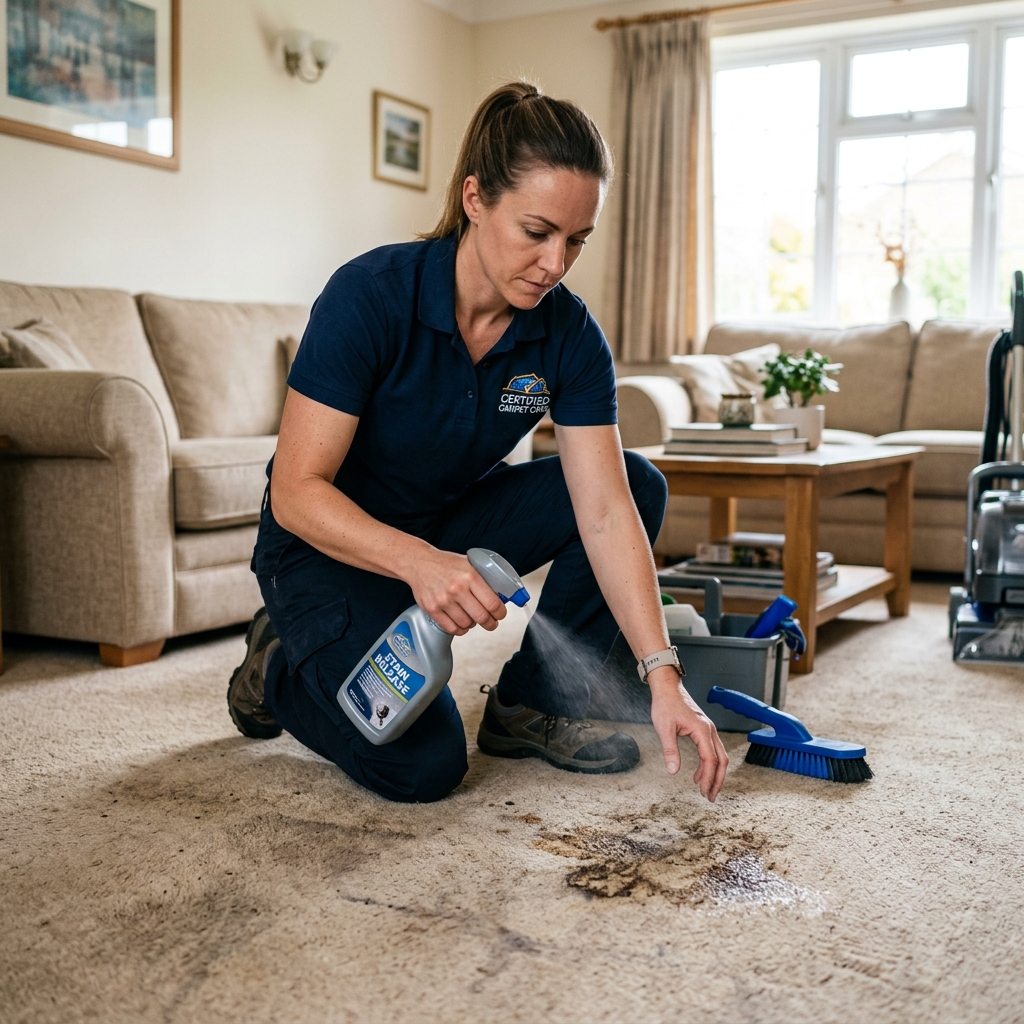
Not every carpet cleaning job requires a full clean. Spot and stain treatment focuses specifically on individual marks, such as red wine, coffee, pet accidents, or ink, using targeted cleaning solutions designed to break down specific types of stains without affecting the surrounding carpet.
Professional spot treatment often uses enzyme-based solutions for organic stains like pet urine, which break down the stain and odour at a molecular level rather than simply masking it. Prompt spot treatment is one of the most effective ways to prevent a stain from becoming permanent.
8. Carbonated Cleaning
Carbonated cleaning uses a solution infused with tiny carbonated bubbles that penetrate deep into the carpet fibres, lifting dirt to the surface where it can be more easily extracted. Because the carbonation does much of the work in breaking down dirt, this method typically requires less water and cleaning solution than traditional methods, resulting in faster drying times and less chemical residue left behind.
9. Rotary Shampoo Cleaning
Similar to standard shampooing but using a rotary floor machine, this method works cleaning solution deep into carpet fibres through mechanical agitation. It's particularly effective on carpets with a dense pile or heavy, ground-in soiling, though like standard shampooing, it does require thorough water extraction afterward to prevent sticky residue buildup.
10. Regular Vacuuming and Maintenance
While not a deep-cleaning method on its own, regular vacuuming is arguably the most important carpet maintenance step of all. Consistent vacuuming, ideally two to three times a week in high-traffic homes, prevents dirt and grit from working its way deep into carpet fibres, where it can cause abrasive wear over time.
Using a vacuum with strong suction and a rotating brush head, and taking care to vacuum slowly enough to properly lift embedded dirt, significantly extends the time between professional deep cleans and helps maintain a fresher, healthier home environment overall.
Common Carpet Cleaning Mistakes to Avoid
- Over-wetting the carpet, which can lead to mould growth in the underlay
- Using the wrong cleaning solution for the carpet fibre type
- Skipping a patch test before treating a visible stain
- Walking on carpets before they're fully dry, which can re-embed dirt
- Rubbing instead of blotting fresh spills
- Leaving furniture on damp carpet, which can cause rust marks or indentations
- Delaying professional cleaning until stains or odours become deeply set
The Environmental Side of Carpet Cleaning
Many Melbourne homeowners are increasingly conscious of the environmental impact of household cleaning, and carpet cleaning is no exception. Low-moisture methods such as encapsulation and dry cleaning generally use less water and produce less chemical run-off than traditional shampooing. Many professional cleaning companies, including Extract Carpet Cleaning Melbourne, now offer eco-friendly, biodegradable cleaning solutions that are tough on dirt and stains while being gentler on the environment and safer around children and pets.
Which Method Is Right for Your Carpet?
The best carpet cleaning method depends on several factors, including the type of carpet fibre, the level and type of soiling, how quickly you need the carpet back in use, and whether allergies or pets are a consideration in the household. Wool carpets, for example, generally respond well to low-moisture methods, while synthetic carpets can typically handle hot water extraction without issue.
Households with pets, young children, or allergy sufferers often benefit most from hot water extraction, given its effectiveness at removing allergens and bacteria from deep within the carpet pile. Commercial spaces, on the other hand, often prioritise faster-drying methods like encapsulation or dry cleaning to minimise downtime.
Why Professional Carpet Cleaning Makes a Difference
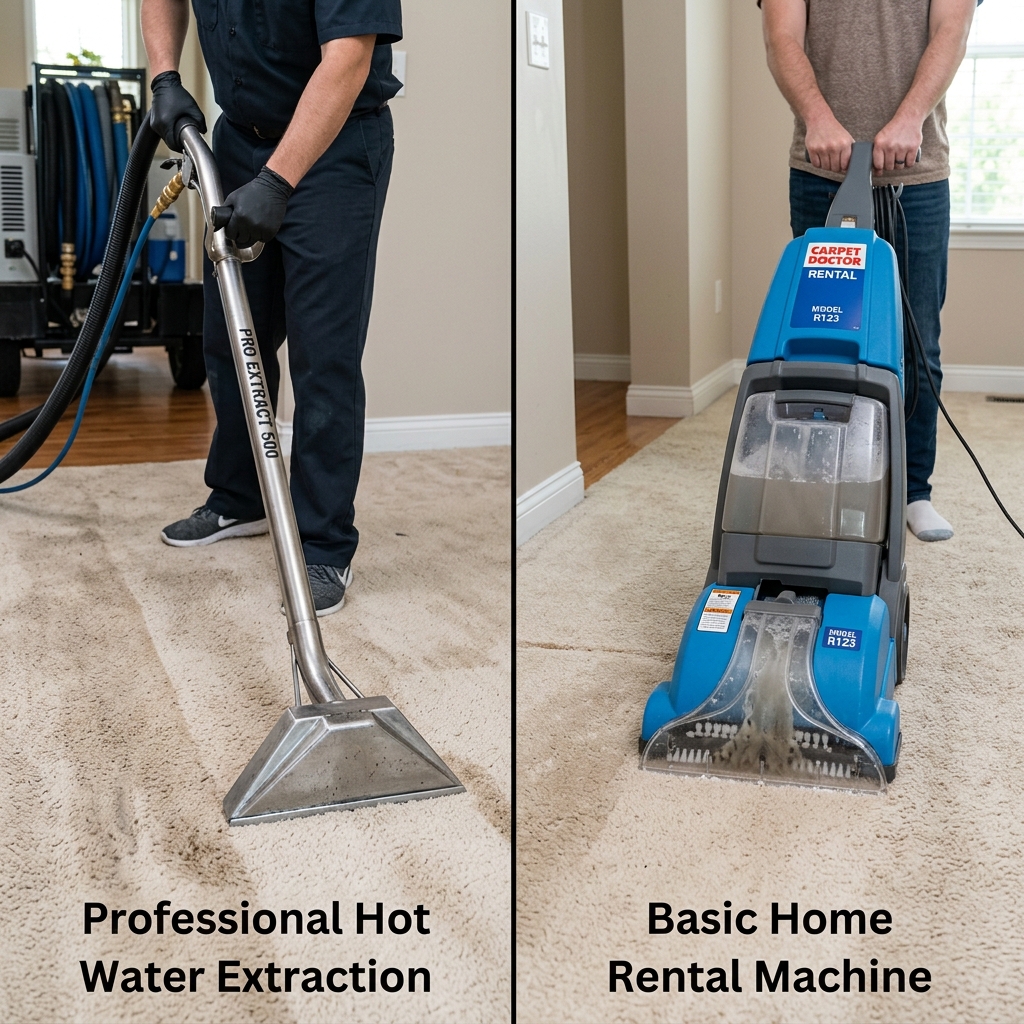
- Access to commercial-grade equipment that achieves deeper, more thorough results than rental machines
- Correct identification of carpet fibre type to avoid using an unsuitable cleaning method
- Proper dilution and use of cleaning solutions, avoiding residue buildup or fibre damage
- Faster, more efficient drying times through professional-grade extraction
- Effective treatment of stubborn stains and odours, including pet accidents
- Extended carpet lifespan through correct, fibre-appropriate care
How Often Should Carpets Be Professionally Cleaned?
Most carpet manufacturers and cleaning industry bodies recommend a professional deep clean every twelve to eighteen months for the average household. Homes with pets, young children, allergy sufferers, or higher foot traffic often benefit from more frequent cleaning, typically every six to twelve months, to keep allergens, bacteria, and ground-in dirt under control.
Final Thoughts
From deep, thorough hot water extraction to fast-drying encapsulation and everything in between, there's a proven carpet cleaning method suited to almost every home and situation. Understanding the strengths of each approach helps ensure your carpets get the right treatment, rather than a one-size-fits-all clean that may not suit your specific fibre type or level of soiling.
At Extract Carpet Cleaning Melbourne, our experienced technicians assess your carpet type and condition before recommending the most effective method for your home, ensuring pristine, long-lasting results every time. Get in touch with our team today to book a professional carpet clean tailored to your home's specific needs.